

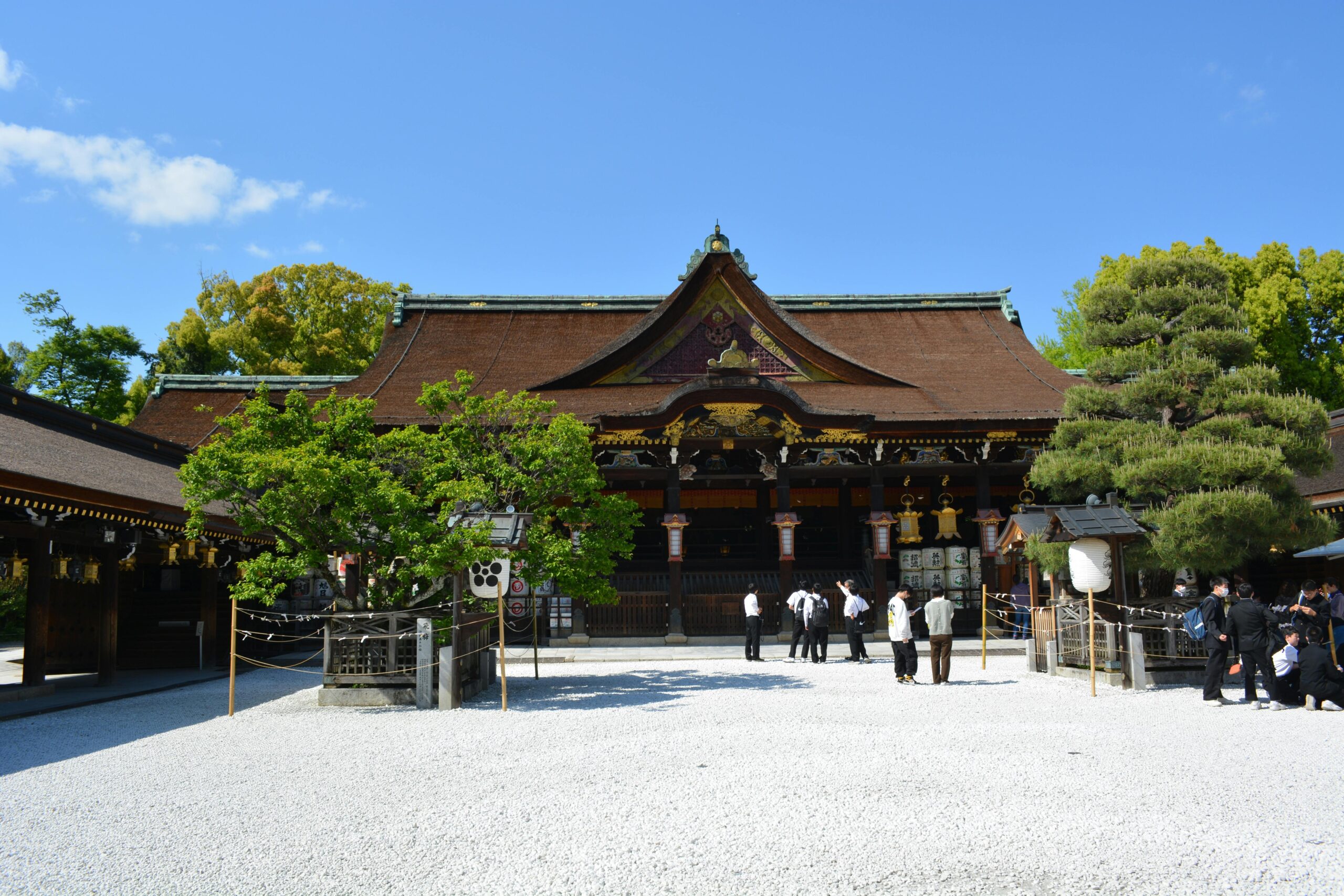
Japan’s shrines aren’t just tourist stops. They’re living places of faith, nature, and tradition—quiet forests, red gates, and centuries-old rituals that still shape daily life. The best shrines in Japan to visit are Fushimi Inari Taisha, Meiji Jingu, Itsukushima Shrine, Ise Grand Shrine, and Nikko Toshogu.
These stand out for history, scenery, spiritual importance, and overall visitor experience.
Below, you’ll find practical guidance on why each shrine matters, what makes it special, and who it’s best for.
Why Shrines Matter in Japan (Short Context)
Shrines follow Shinto, Japan’s indigenous belief system. Unlike temples, shrines focus on harmony with nature and local gods (kami). You’ll often see torii gates, purification fountains, and wooded grounds.
Visiting a shrine isn’t about religion alone—it’s about understanding Japan itself.
Top Shrines in Japan You Shouldn’t Miss
Fushimi Inari Taisha
Best for: Iconic photos, hiking, first-time visitors
This shrine is famous for its thousands of vermilion torii gates forming tunnels up Mount Inari. You don’t need to hike the full trail—short walks already feel magical.
Why it’s special
- Open 24/7, free entry
- Strong connection to prosperity and business success
- Changes mood from busy to peaceful as you walk higher
Practical tip: Go early morning or near sunset to avoid crowds.
Meiji Jingu
Best for: Calm escape in Tokyo
Hidden beside Harajuku, this shrine sits inside a large forest. It’s dedicated to Emperor Meiji and Empress Shoken.
Why it’s special
- Peaceful contrast to busy city life
- Popular for traditional weddings
- Easy to visit on a Tokyo itinerary
Practical tip: Combine with a walk through Yoyogi Park.
Itsukushima Shrine
Best for: Scenic beauty, photography
Known for its “floating” torii gate, this shrine appears to sit on the sea during high tide.
Why it’s special
- One of Japan’s most photographed views
- UNESCO World Heritage Site
- Strong spiritual link between sea and faith
Practical tip: Visit at both high and low tide if possible.
Ise Grand Shrine
Best for: Spiritual depth, tradition lovers
This is Shinto’s most sacred shrine, dedicated to the sun goddess Amaterasu. It’s rebuilt every 20 years to symbolize renewal.
Why it’s special
- Deep cultural and spiritual importance
- Simple, pure architecture
- No flashy design—meaning comes from ritual
Practical tip: Photography is restricted near the inner shrine—respect the rules.
Nikko Toshogu
Best for: Art, history, detail lovers
Unlike most minimalist shrines, Nikko Toshogu is richly decorated with carvings and gold leaf.
Why it’s special
- Famous “see no evil, hear no evil” monkeys
- Lavish design unlike typical shrines
- Mountain setting adds drama
Practical tip: Allocate extra time—there’s a lot to see.
Pros & Cons of Visiting Shrines in Japan
| Pros | Cons |
|---|---|
| Deep cultural insight | Some sites get very crowded |
| Free or low-cost entry | Photography restrictions |
| Peaceful natural settings | Seasonal weather limits |
| Easy to combine with travel | Etiquette may confuse first-timers |
Real-World Examples (What Travelers Say)
- First-time visitors often prefer Fushimi Inari because it feels iconic and flexible—you can leave anytime.
- Tokyo travelers love Meiji Jingu for its calm atmosphere without leaving the city.
- Photographers rate Itsukushima Shrine as a must-visit, especially at sunrise.
These choices aren’t random—they match different travel styles.
FAQs (People Also Ask)
What is the most famous shrine in Japan?
Fushimi Inari Taisha is widely considered the most famous due to its torii gate tunnels.
Are shrines free to enter?
Most shrines are free. Some, like Nikko Toshogu, charge an admission fee.
What should I wear to a shrine?
Normal, modest clothing is fine. No special dress code, but avoid loud behavior.
Can foreigners pray at Japanese shrines?
Yes. Visitors are welcome to participate respectfully.
Shrines vs temples—what’s the difference?
Shrines follow Shinto and focus on nature and kami. Temples follow Buddhism and often include statues and incense.
Final Verdict
If you want to understand Japan beyond guidebooks, shrines are essential.
Start with Fushimi Inari or Meiji Jingu for accessibility, then explore Itsukushima, Ise, or Nikko Toshogu for deeper meaning.
Each shrine offers a different side of Japan—spiritual, natural, historic, and human.
[…] Below is a practical, no-fluff breakdown to help you choose the right trek for your skill level. […]