

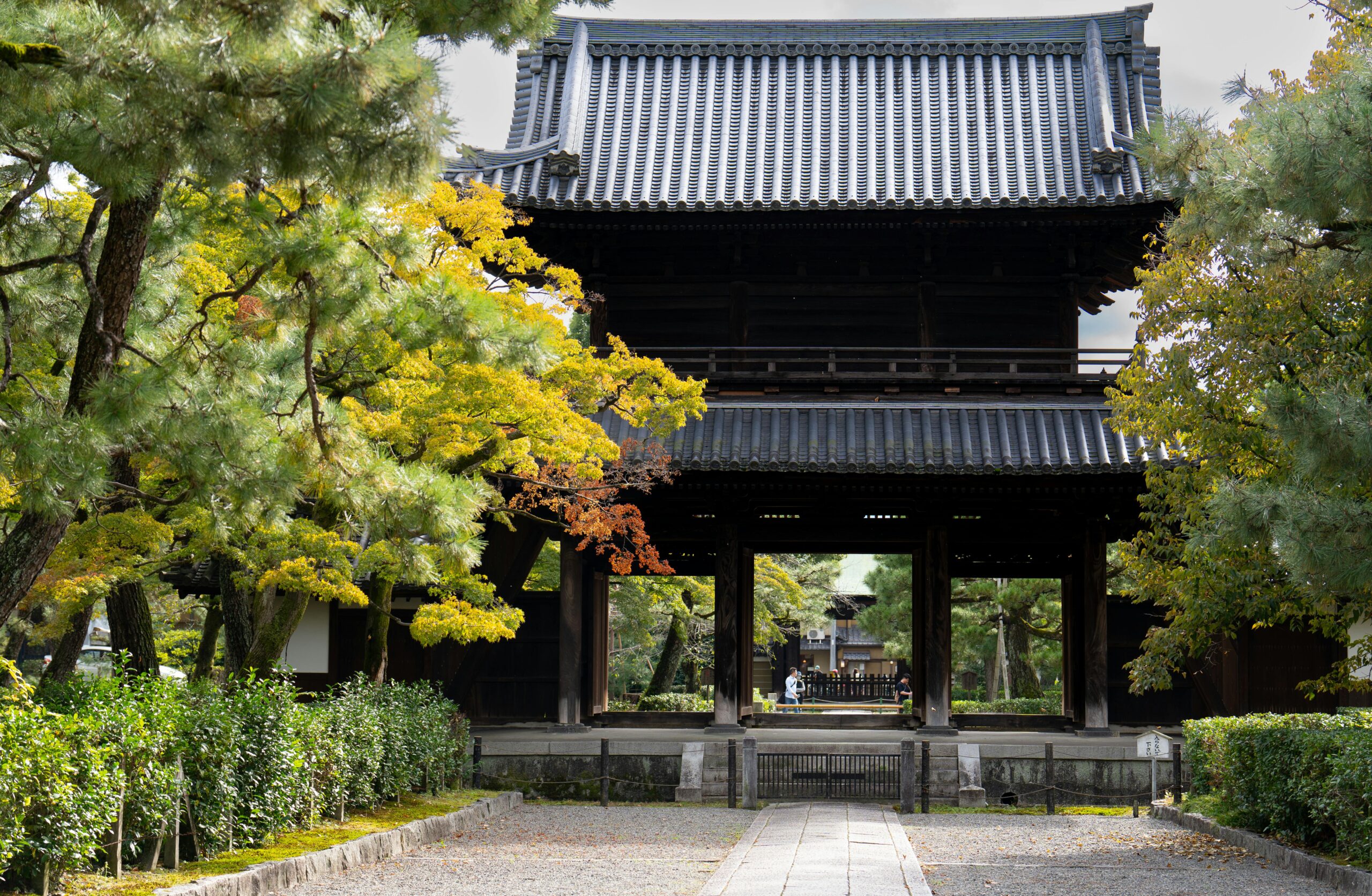
Kyoto is the spiritual heart of Japan. With more than 1,600 Buddhist temples scattered across the city, choosing where to go can feel overwhelming — especially if you only have a few days.
This expert guide highlights 9 must-see temples in Kyoto that deliver the best mix of history, architecture, scenery, and cultural experience. Whether it’s your first visit or your fifth, these temples deserve a spot on your itinerary.
Why Kyoto’s Temples Are So Special
Before we dive into the list, it helps to understand what makes Kyoto unique.
For over 1,000 years, Kyoto served as Japan’s imperial capital. Because the city escaped heavy bombing during World War II, much of its historic architecture remains intact today. Walking through Kyoto often feels like stepping back in time.
Kyoto temples are known for:
- Zen rock gardens
- Wooden architecture
- Seasonal beauty (especially cherry blossoms and autumn leaves)
- Deep cultural and spiritual significance
Now, let’s explore the temples you truly shouldn’t miss.
1. Kinkaku-ji (The Golden Pavilion)

If you see only one temple in Kyoto, make it Kinkaku-ji.
This iconic Zen temple is completely covered in gold leaf on its top two floors. The building reflects beautifully in the surrounding pond, creating one of Japan’s most photographed views.
Why Visit
- Instantly recognizable landmark
- Stunning in every season
- Easy to access from central Kyoto
Pro Tip
Arrive right when it opens (9:00 AM) to avoid heavy tour bus crowds.
2. Fushimi Inari Taisha
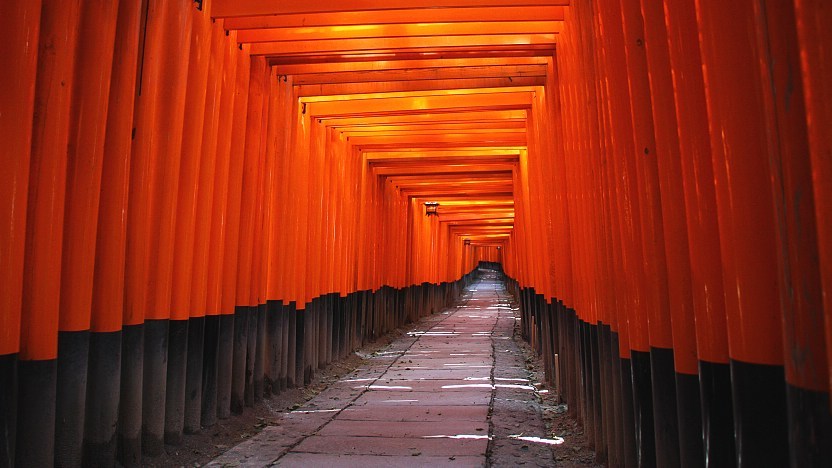
While technically a Shinto shrine rather than a Buddhist temple, Fushimi Inari Taisha is too spectacular to skip.
It’s famous for its thousands of red torii gates that form a tunnel up Mount Inari. The full hike takes about 2–3 hours, but even walking the first section is worth it.
Why Visit
- One of Japan’s most unique walks
- Free entry
- Beautiful at sunrise or sunset
Pro Tip
Visit very early morning or after sunset for fewer crowds and a more mystical atmosphere.
3. Kiyomizu-dera

Perched on a hillside, Kiyomizu-dera offers one of the best panoramic views in Kyoto.
The temple’s massive wooden stage was built without using a single nail — an impressive feat of traditional Japanese engineering.
Why Visit
- UNESCO World Heritage Site
- Incredible city views
- Located in Kyoto’s historic Higashiyama district
Pro Tip
Combine your visit with a walk through Sannenzaka and Ninenzaka streets nearby.
4. Ryoan-ji
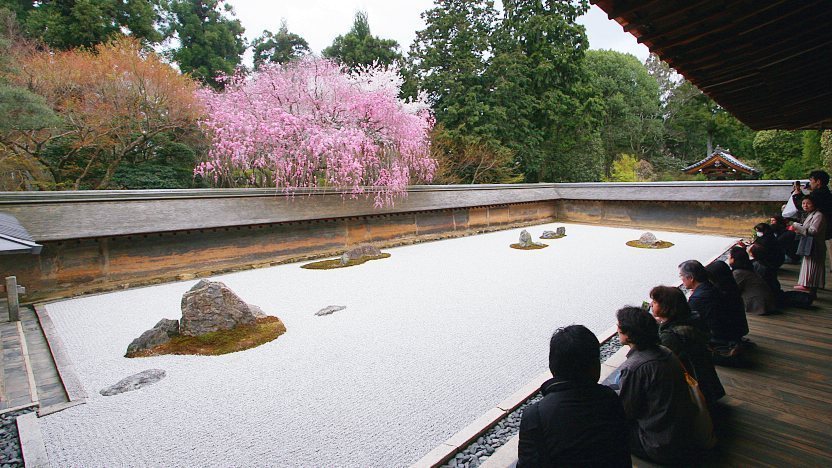
Ryoan-ji is home to Japan’s most famous Zen rock garden.
At first glance, it looks simple — just carefully placed stones on raked gravel. But the design is meant to encourage meditation and deep thought. Interestingly, from any viewing angle, you can never see all 15 stones at once.
Why Visit
- Pure Zen experience
- Quiet and contemplative
- UNESCO-listed site
Pro Tip
Sit quietly for a few minutes. The garden reveals more the longer you observe.
5. Ginkaku-ji (The Silver Pavilion)
Despite its name, Ginkaku-ji was never covered in silver. Yet many travelers — and locals — find it more beautiful and refined than Kinkaku-ji.
The temple grounds feature exquisite moss gardens and a famous sand garden shaped like Mount Fuji.
Why Visit
- Elegant, understated beauty
- Gorgeous garden walk
- Less flashy, more peaceful
Pro Tip
Visit in the late afternoon when the light softens the gardens.
6. Nanzen-ji
Nanzen-ji is often overlooked by first-time visitors — and that’s exactly why you should go.
This large Zen complex feels spacious and calm. The massive Sanmon gate and the surprising brick aqueduct give the temple a unique character.
Why Visit
- Fewer crowds
- Impressive gate architecture
- Beautiful in autumn
Pro Tip
Climb the Sanmon gate for a fantastic view of Kyoto.
7. Tenryu-ji
Located in the scenic Arashiyama district, Tenryu-ji pairs perfectly with a visit to the nearby bamboo grove.
Its landscaped garden has remained largely unchanged for centuries — a rare example of historical continuity.
Why Visit
- Best temple in Arashiyama
- Stunning pond garden
- Easy combo with Bamboo Grove
Pro Tip
Enter through the garden exit toward the bamboo forest to continue your walk smoothly.
8. To-ji
To-ji is home to Japan’s tallest wooden pagoda, standing at 55 meters.
The temple is especially magical during evening illuminations and the famous monthly flea market held on the 21st.
Why Visit
- Iconic five-story pagoda
- Night photography opportunities
- Historic market atmosphere
Pro Tip
If your dates align, don’t miss the Kobo-san flea market.
9. Byodo-in (Day Trip Worth Taking)
Located in nearby Uji (about 20 minutes from Kyoto), Byodo-in is one of Japan’s most elegant temples.
You might recognize it — the Phoenix Hall appears on the Japanese 10-yen coin.
Why Visit
- Perfect half-day trip
- Beautiful symmetrical architecture
- Less crowded than central Kyoto
Pro Tip
Pair your visit with Uji’s famous matcha tea shops.
Best Time to Visit Kyoto Temples
Timing can dramatically change your experience.
Spring (March–April)
- Cherry blossoms
- Mild weather
- Very crowded
Autumn (November)
- Spectacular red foliage
- Comfortable temperatures
- Also busy
Winter (December–February)
- Quiet temples
- Occasional snow (magical at Kinkaku-ji)
- Cold but peaceful
Summer (June–August)
- Lush greenery
- Hot and humid
- Fewer international tourists
Expert tip: Late November and early morning visits offer the best balance of beauty and manageable crowds.
Suggested 3-Day Kyoto Temple Itinerary
If you’re short on time, use this efficient plan.
1: Eastern Kyoto
- Kiyomizu-dera
- Ginkaku-ji
- Nanzen-ji
- Walk Philosopher’s Path
2: Northern & Central Kyoto
- Kinkaku-ji
- Ryoan-ji
- To-ji (evening)
3: Arashiyama + Uji
- Tenryu-ji
- Bamboo Grove
- Byodo-in (Uji)
- Fushimi Inari Taisha at sunset
Final Travel Tips for Visiting Kyoto Temples
Before you go, keep these practical tips in mind:
✔ Start early — Temples get crowded by 10 AM
✔ Carry cash — Many temples don’t accept cards
✔ Dress respectfully — These are active religious sites
✔ Walk slowly — Kyoto rewards unhurried travelers
✔ Check seasonal hours — Some temples close earlier in winter
Final Thoughts
Kyoto temples are more than sightseeing spots — they are windows into Japan’s spiritual and cultural soul.
If you focus on these 9 must-see Kyoto temples, you’ll experience the city’s highlights without feeling overwhelmed. Each location offers something different: golden reflections, silent rock gardens, mountain walks, and centuries-old architecture.
Take your time. Arrive early. And allow yourself a few quiet moments at each temple — that’s when Kyoto truly reveals its magic.
[…] in-depth guide compares Coron and El Nido side by side so you can confidently decide where to go (or whether to visit […]