

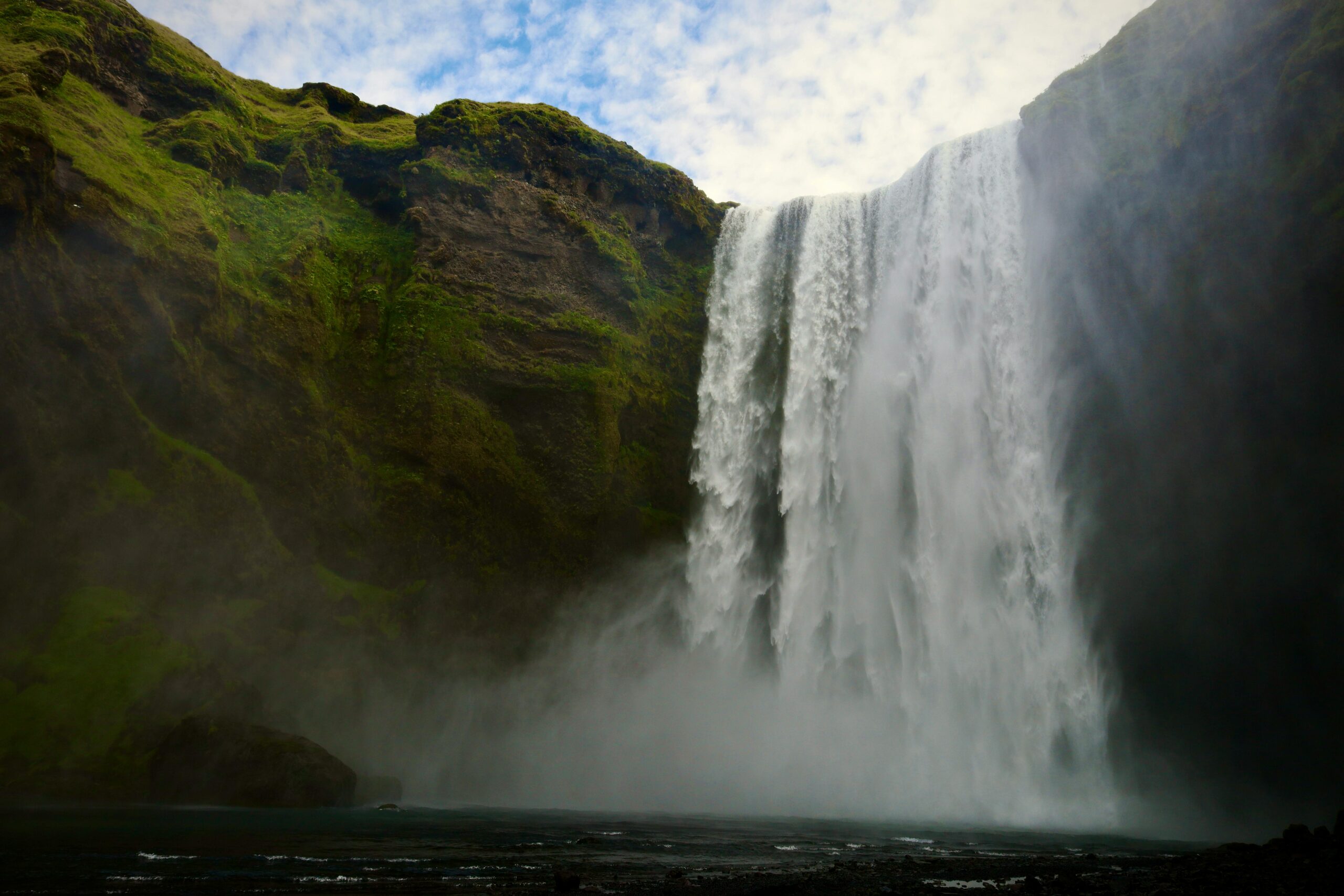
Iceland is not just a land of volcanoes and glaciers—it is also the Waterfalls In Iceland is capital of the world. With more than 10,000 waterfalls, this small Nordic island offers an unmatched variety of cascades, from gentle streams flowing over mossy cliffs to thunderous giants crashing into deep canyons.
If you are looking for the most beautiful waterfalls in Iceland, you should start with Gullfoss, Seljalandsfoss, Skógafoss, Dettifoss, and Godafoss. These waterfalls stand out for their power, scenery, accessibility, and overall experience.
But beauty is personal. Some travelers prefer dramatic power, others love hidden gems surrounded by silence. This guide covers iconic waterfalls, underrated spots, and practical travel tips, so you can choose the waterfalls that truly match your style.
Why Iceland Has So Many Stunning Waterfalls
Iceland’s landscape was shaped by glaciers, volcanoes, and heavy rainfall. Meltwater from massive ice caps flows through lava fields and steep cliffs, creating countless waterfalls across the country.
What makes Icelandic waterfalls special:
- Glacial water with a blue-gray tone
- Tall cliffs formed by volcanic rock
- Wide rivers that split into multiple cascades
- Easy access—many are just steps from the road
Every region of Iceland has its own waterfall personality, which makes road trips incredibly rewarding.
🌊 Gullfoss – The Golden Giant
Gullfoss is one of the most famous and powerful waterfalls in Iceland. Located on the popular Golden Circle route, it is often the first waterfall travelers see—and it leaves a strong impression.
Why Gullfoss Is Special
- Two-tiered waterfall dropping 32 meters
- Massive water volume year-round
- Deep canyon that hides the base from view
On sunny days, mist rises from the falls and creates rainbows, adding to its magical feel.
Best time to visit:
- Summer for green surroundings
- Winter for icy formations and fewer crowds
🌿 Seljalandsfoss – Walk Behind the Water
Seljalandsfoss is one of the most photographed waterfalls in Iceland, and for good reason. You can actually walk behind it, giving you a rare 360-degree view.
What Makes It Unique
- Easy walking path behind the waterfall
- Perfect for sunrise and sunset photography
- Gentle flow compared to other major waterfalls
⚠️ The path can be slippery, so wear waterproof shoes.
Pro tip: Visit late evening in summer to enjoy fewer crowds and soft golden light.
💥 Skógafoss – Power and Simplicity
Skógafoss is the definition of raw beauty. It is wide, tall, and incredibly loud. Standing near it, you feel the vibration of the falling water.
Highlights
- 60 meters tall and 25 meters wide
- Strong mist creates frequent rainbows
- Staircase leads to a scenic viewpoint above
Skógafoss looks stunning in any weather, whether under blue skies or heavy clouds.
⚡ Dettifoss – Europe’s Most Powerful Waterfall
Dettifoss is not about elegance—it is about sheer force. This waterfall moves more water than any other in Europe.
Why Dettifoss Is Unforgettable
- Massive width of 100 meters
- Roaring sound heard from far away
- Dark volcanic surroundings add drama
The experience feels almost prehistoric, like watching nature in its rawest form.
Note: Roads can be rough. A 4×4 vehicle is recommended.
🌈 Godafoss – The Waterfall of the Gods
Godafoss combines beauty with deep history. According to legend, Iceland’s pagan idols were thrown into this waterfall when the country adopted Christianity.
Why Visitors Love It
- Horseshoe-shaped cascade
- Turquoise water in summer
- Easy access and walking paths
It’s a peaceful yet powerful place that feels balanced and welcoming.
🏞️ Svartifoss – Black Column Beauty
Svartifoss is framed by hexagonal basalt columns, making it look like a natural cathedral.
What Sets It Apart
- Unique rock formations
- Short scenic hike to reach it
- Popular with architecture lovers
This waterfall inspired designs like Reykjavík’s Hallgrímskirkja church.
🌊 Háifoss – The Highland Giant
Háifoss is one of Iceland’s tallest waterfalls, dropping dramatically into a deep gorge.
Why It’s Worth the Effort
- Remote and less crowded
- Stunning canyon views
- Feels untouched and wild
Access requires good weather and careful driving, but the reward is huge.
🌱 Hidden and Underrated Waterfalls in Iceland
If you want quieter experiences, Iceland has plenty of lesser-known gems.
💧 Gljúfrabúi
- Hidden inside a narrow canyon
- Requires stepping through shallow water
- Feels like a secret discovery
💧 Kvernufoss
- Short hike
- Walk behind the waterfall
- Much quieter than nearby Skógafoss
Best Time to Visit Waterfalls in Iceland
| Season | Experience |
|---|---|
| Summer (Jun–Aug) | Green landscapes, midnight sun, best access |
| Autumn (Sep–Oct) | Fewer crowds, moody skies |
| Winter (Nov–Mar) | Frozen waterfalls, icy textures |
| Spring (Apr–May) | Strong water flow from melting snow |
Each season offers a different kind of beauty.
Photography Tips for Iceland Waterfalls
- Use a tripod for long exposures
- Bring lens cloths—mist is constant
- Visit early morning or late evening
- Protect gear from water spray
Even smartphones can capture amazing shots due to Iceland’s natural lighting.
Pros and Cons of Waterfall Chasing in Iceland
| Pros | Cons |
|---|---|
| Easy access | Weather changes fast |
| Incredible variety | Some areas crowded |
| Free attractions | Slippery paths |
| Year-round beauty | Remote roads need care |
FAQs – People Also Ask
What is the most beautiful waterfall in Iceland?
Many travelers choose Gullfoss or Seljalandsfoss, but beauty depends on whether you prefer power, scenery, or unique views.
Are Iceland waterfalls free to visit?
Yes, most waterfalls are free. Some parking areas may charge a small fee.
Can you visit waterfalls in winter?
Absolutely. Winter adds ice formations, but roads and paths can be slippery.
Which waterfall is best for photography?
Seljalandsfoss, Skógafoss, and Godafoss are top choices for photographers.
Final Verdict: Which Iceland Waterfalls Are Truly the Most Beautiful?
There is no single winner.
- For power: Dettifoss
- For iconic beauty: Gullfoss
- For unique experience: Seljalandsfoss
- For history and balance: Godafoss
- For hidden charm: Gljúfrabúi
The true magic of Iceland lies in variety. Every waterfall feels different, and each one tells a story shaped by ice, fire, and time.
If you plan your route well and stay flexible with weather, you’ll quickly understand why Iceland is considered one of the most beautiful natural destinations on Earth.
[…] Before we dive into the list, it helps to understand what makes Kyoto unique. […]