

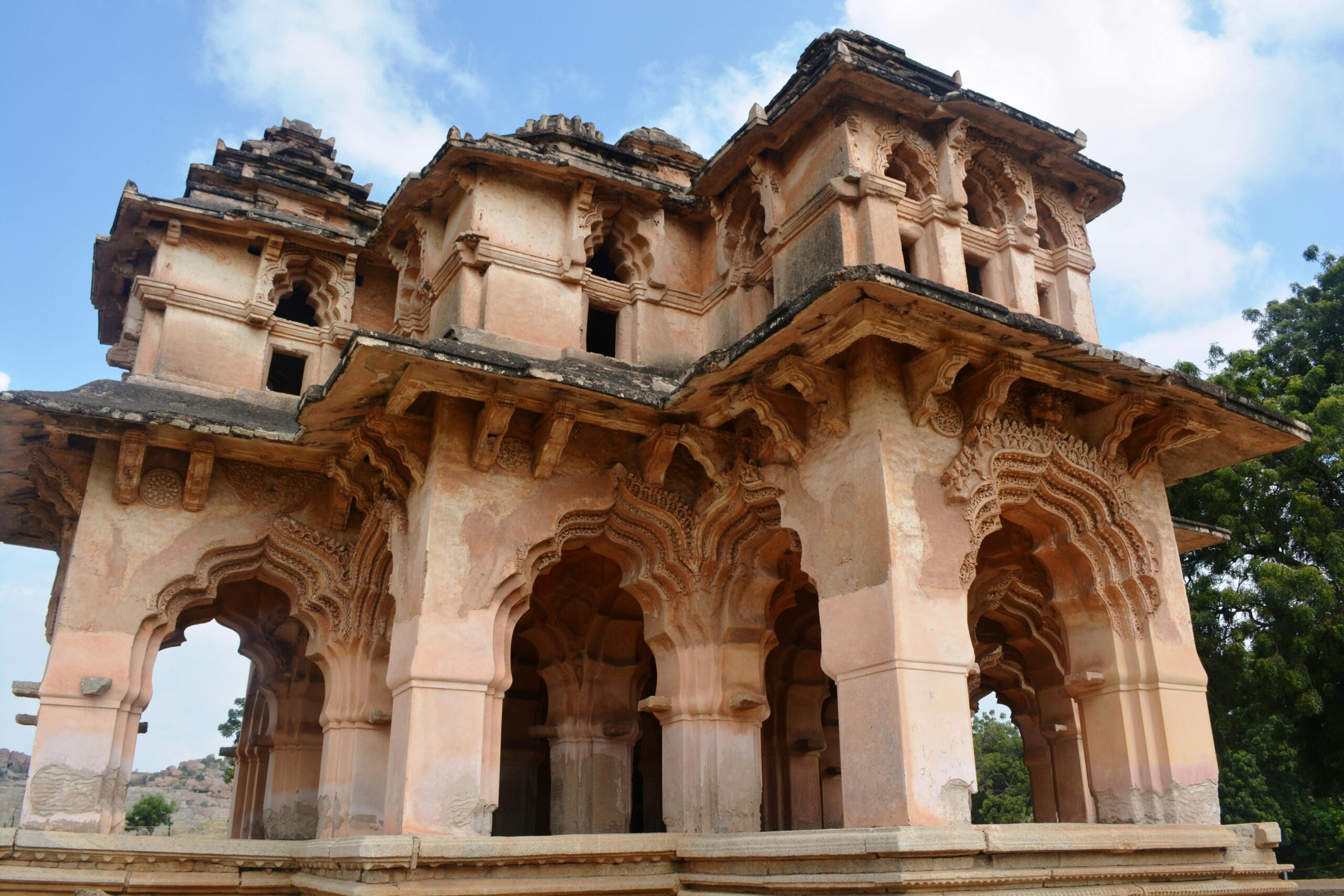
Hampi Travelogue is one of India’s most visually striking historical destinations, known for its ancient ruins, temple architecture, and dramatic landscapes filled with massive boulders and river views. Once the capital of the Vijayanagara Empire, Hampi now stands as a UNESCO World Heritage Site that attracts travelers interested in history, architecture, photography, and cultural exploration.
This travelogue breaks down Hampi in a practical way covering historical importance, key places to visit, travel tips, and real-world insights for planning a meaningful trip.
Why Hampi Matters Historically
Hampi was the capital of the Vijayanagara Empire during the 14th to 16th centuries. At its peak, it was one of the richest and most powerful cities in the world.
Key Historical Highlights
- Flourishing trade center
- Advanced temple architecture
- Strong cultural and religious significance
- Strategic location along the Tungabhadra River
Expert Insight
Many structures in Hampi are not just temples they were part of a planned urban system that included markets, royal complexes, and public spaces.
First Impressions of Hampi
Visitors often describe Hampi as a surreal landscape rather than a typical historical site.
What Stands Out
- Giant granite boulders scattered across hills
- Ancient temples blending into natural rock formations
- Quiet riverbanks with historical ruins
- Open, expansive terrain instead of dense city layout
Practical Insight
Hampi feels like a mix of archaeology and natural sculpture, where nature and history exist in the same frame.
Major Attractions in Hampi
1. Virupaksha Temple
One of the oldest functioning temples in India.
Key Features
- Dedicated to Lord Shiva
- Tall entrance gopuram
- Active religious rituals
Insider Tip
Visit early morning to avoid crowds and experience daily rituals.
2. Vittala Temple Complex
Known for its architectural brilliance.
Highlights
- Stone chariot structure
- Musical pillars
- Detailed carvings
Expert Insight
The stone chariot is one of the most photographed structures in India due to its symmetry and craftsmanship.
3. Hampi Bazaar
Once a thriving marketplace.
What You’ll See
- Ruins of old trading streets
- Pillared structures
- Temple-facing layout
Practical Insight
The bazaar layout shows how commerce was integrated into temple-centered city planning.
4. Hemakuta Hill Temples
A cluster of smaller temples on a hill.
Why Visit
- Panoramic views of Hampi
- Sunset photography spot
- Quiet exploration area
5. Matanga Hill
One of the best sunrise and sunset points.
Experience
- Steep climb
- 360-degree views of ruins and river
- Strong photography location
Insider Tip
Sunrise is less crowded and offers better lighting for photography.
6. Lotus Mahal and Zenana Enclosure
Royal architecture influenced by Indo-Islamic style.
Features
- Lotus-shaped arches
- Ventilated design
- Royal women’s quarters
Expert Insight
This area shows cultural blending in architecture during the Vijayanagara period.
Scenic Beauty of Hampi
Hampi is not only about temples it also offers natural landscapes.
River Tungabhadra
- Calm river flow
- Coracle boat rides
- Cliffside views
Boulders and Hills
- Natural rock formations
- Ideal for hiking and photography
- Unique geological landscape
Insider Insight
The boulder formations are millions of years old and create one of the most unusual terrains in South India.
Best Time to Visit Hampi
Ideal Season
- October to February
Why
- Pleasant weather
- Suitable for walking and exploration
- Clear skies for photography
Avoid
- Peak summer (March–May) due to extreme heat
How to Reach Hampi
Train
- Nearest station: Hospet Junction
- Short road trip to Hampi from there
Road
- Well-connected from Bangalore, Hyderabad, and Goa
Air
- Nearest airport: Hubli or Bengaluru
Practical Tip
Hospet serves as the main transit hub for Hampi.
Local Transport in Hampi
- Bicycles (popular and budget-friendly)
- Scooters for rent
- Auto-rickshaws
- Walking for central ruins
Insider Tip
Cycling is the most practical way to explore Hampi’s core areas efficiently.
Where to Stay
Hampi Village Side
- Close to major temples
- Budget guesthouses
- Backpacker-friendly stays
Hospet Side
- Better hotels
- More facilities
- Suitable for comfort travelers
Food Options in Hampi
Common Choices
- South Indian meals
- Simple vegetarian dishes
- Café-style international food in tourist areas
Practical Insight
Food options are simple but sufficient; Hampi is not a luxury dining destination.
Travel Tips for Hampi
1. Start Early Each Day
- Avoid heat
- Better lighting for photography
- Less crowd
2. Carry Water and Snacks
- Limited shops near ruins
- Long walking distances
3. Wear Comfortable Footwear
- Rocky terrain
- Uneven surfaces
4. Respect Heritage Sites
- Do not climb restricted structures
- Avoid damaging carvings
Insider Tip
Hire a local guide for at least one day to understand historical context deeply.
Photography Tips
- Golden hour gives best lighting
- Use wide-angle shots for ruins
- Capture contrast between nature and architecture
- Drone photography (where allowed) offers unique perspectives
Common Mistakes Travelers Make
1. Rushing the Trip
Hampi Travelogue requires at least 2–3 days for proper exploration.
2. Ignoring Less Famous Sites
Smaller temples often have rich detail and fewer crowds.
3. Not Planning Transport
Distances between sites are larger than expected.
Suggested Itinerary (2–3 Days)
1
- Virupaksha Temple
- Hampi Bazaar
- Hemakuta Hill sunset
2
- Vittala Temple
- Lotus Mahal
- Royal Enclosure
3 (Optional)
- Matanga Hill sunrise
- River coracle ride
- Explore offbeat ruins
Final Thoughts
Hampi is a destination where history is not confined to museums it exists in open landscapes, temple ruins, and natural rock formations. It offers a rare combination of cultural depth and scenic beauty.
Traveling here is less about luxury and more about exploration, walking through history, and understanding how ancient cities were designed and lived in.
Quick Travel Checklist
- Comfortable walking shoes
- Water bottle
- Sun protection
- Camera or smartphone
- Early morning plan
- Local transport arrangement
Conclusion
Hampi Travelogue is one of the few destinations where architecture, history, and nature merge into a single experience. A well-planned visit allows you to see not just ruins, but the structure of an ancient civilization that once thrived on this landscape.
Proper pacing, early exploration, and attention to detail turn Hampi from a sightseeing trip into a meaningful travel experience.