

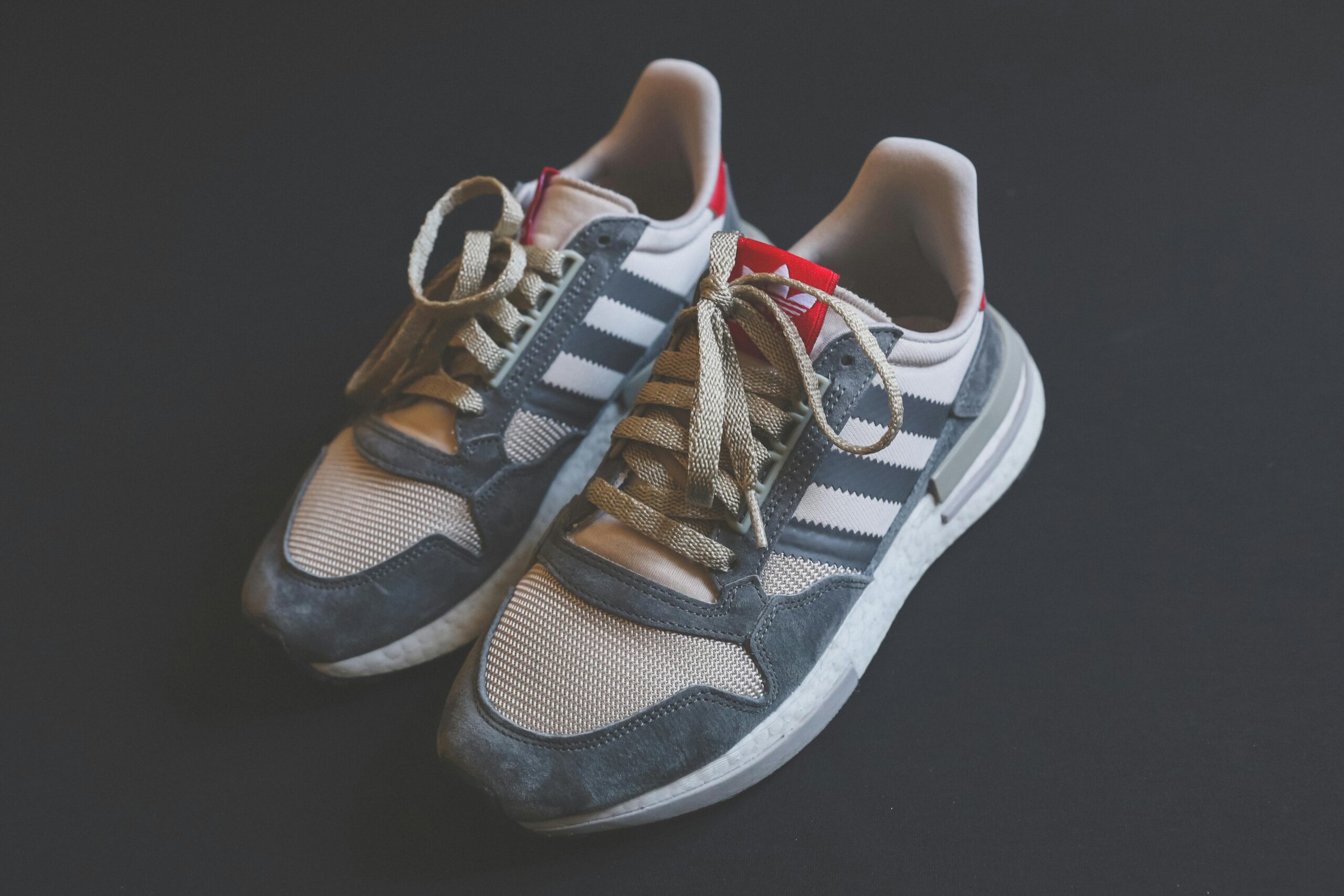
Foot pain from neuropathy can turn simple walking into a daily struggle. The right shoes won’t cure neuropathy, but they can make a big difference in how much pain you feel every day.
Clear answer first
The best shoes for neuropathy are soft, cushioned, wide, and supportive. They reduce pressure, protect sensitive nerves, and help you walk with less pain and burning.
Why neuropathy-friendly shoes matter
Neuropathy makes your feet extra sensitive. Tight shoes, hard soles, or poor support can make pain worse. Good shoes act like a buffer between your feet and the ground.
They help by:
- Reducing pressure points
- Absorbing shock when you walk
- Giving your feet room to breathe
- Keeping your feet stable and balanced
Key features to look for in shoes for neuropathy
Soft cushioning
Thick, soft soles help absorb impact. This lowers sharp pain and burning feelings, especially when walking or standing for long hours.
Wide toe box
Your toes should not feel squeezed. Extra space helps avoid nerve pressure and reduces numbness and tingling.
Adjustable fit
Shoes with laces or Velcro straps are great. They let you loosen or tighten the shoe as your foot swells during the day.
Seam-free inside
Rough stitching can rub and cause sores. A smooth inside protects sensitive skin.
Good arch support
Proper support spreads weight evenly. This prevents pressure from focusing on one painful spot.
Best types of shoes for neuropathy pain relief
Athletic walking shoes
These usually offer strong cushioning and support. Many are designed to reduce impact, which helps nerve pain.
Orthopedic shoes
Made specifically for foot problems. They often come in wide sizes and have removable insoles for custom support.
Slip-on shoes with stretch
Great for home or quick outings. Look for stretchy fabric that adjusts to foot shape without squeezing.
Sandals with support
For warm weather, choose sandals with padded soles and adjustable straps. Avoid flat flip-flops.
Pros & Cons of Neuropathy Shoes
| Pros | Cons |
|---|---|
| Reduce foot pain and burning | Can be more expensive |
| Improve balance and walking comfort | Some styles look bulky |
| Lower risk of sores and injuries | May take time to find the right fit |
| Suitable for daily wear | Not all brands work for every foot |
Real-world examples
Office worker with diabetic neuropathy:
Switching from hard dress shoes to cushioned walking shoes reduced evening foot pain and numbness.
Retired adult who walks daily:
Wide orthopedic shoes helped stop toe pain and made long walks comfortable again.
Stay-at-home use:
Soft slip-on shoes with padding reduced heel pain when walking on hard floors.
FAQs – People Also Ask
What kind of shoes should you avoid with neuropathy?
Avoid tight shoes, high heels, hard soles, and shoes with rough seams inside.
Are running shoes good for neuropathy?
Yes, many running or walking shoes work well if they have soft cushioning and a wide fit.
Should neuropathy shoes be tight or loose?
They should feel snug but never tight. Your toes should move freely.
Can shoes really help nerve pain?
They won’t fix nerve damage, but the right shoes can reduce daily pain and discomfort.
Final verdict
If you have neuropathy, your shoes matter more than you think. Choose soft, wide, cushioned, and supportive shoes to protect your feet and reduce pain. Comfort should always come before style. When your feet feel better, everything else gets easier too.