

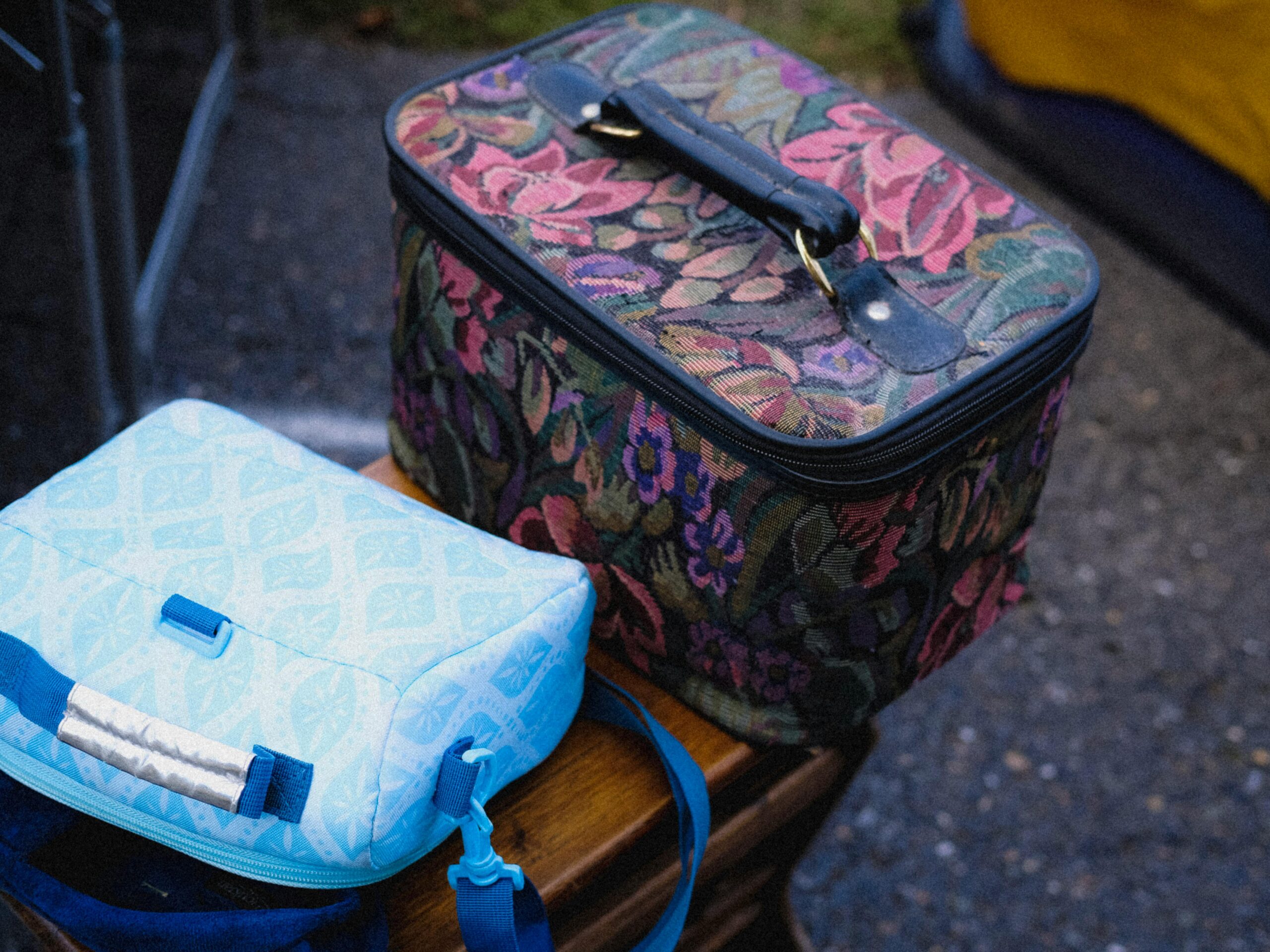
The air travel experience has become much more accessible than ever before, however Carrier Bag Size regulations can be confusing for frequent travelers. The most frequent difficulties travelers encounter is understanding airline baggage dimensions limits. If you do not follow the guidelines it could mean paying additional fees or even having your bag searched at the gate.
The guide explains everything into simple and practical terms. It will teach you about standard size limitations and airline restrictions, as well as smart packing techniques, and ways to stay clear of unexpected costs.
What Are Airline Carrier Bag Size Restrictions?
Carrier Bag Size limitations for airlines are the guidelines which define the size and heavy the carry-on bag could be. This applies to luggage you carry to the airport, including:
- Cabin suitcases
- Backpacks
- Laptop bags
- Small totes for travel
These rules were set by airlines in order to make sure that all bags can are safe to fit within overhead compartments and under seats.
If the bag you are carrying is larger than the size or weight allowed It could be because:
- The cargo hold was checked into.
- With the possibility of additional charges
- Rejected at boarding
Standard Carry-On Bag Size Limits
Though rules may differ between airlines, the majority of them follow similar dimensions rules.
Typical Dimensions
The most popular size for carry-on bags is:
- 56 cm x 36 cm x 23 cm
- Or 22 13 x 14 9 inches
This includes handles, wheels, and pockets on the sides.
Weight Limits
Limits on weight vary based on dimensions. The most common limits are:
- 7kg (15 pounds) – common for cheap airline
- 8-10kg (17-22 pounds) – standard international transporters
- There is no limit Some U.S.-based airlines (but need to lift with ease)
Personal Item Rules Explained
Alongside the carry-on bag you have, many airlines will allow you to bring one item for personal use.
Examples of Personal Items
- Laptop bag
- Purse or handbag
- Small bag
- Camera bag
Typical Size Limit
- Around 40 x 30 x 15 cm
- You must fit the seat that is in the front
Key Tip
Even if you’re carrying a bag that meets the Carrier Bag Size guidelines, a large personal item could result in difficulties. Always check both limits.
Why Airlines Enforce Size Restrictions
The reason for these rules can save you from the frustration.
1. Limited Cabin Space
Airplanes are limited in overhead storage. If bags are big, there will not there be enough room to accommodate everyone.
2. Safety Concerns
Large or loose luggage may move during turbulent travel, posing security risks.
3. Faster Boarding
Sizes that are standard make the process smoother and more efficient for all passengers.
Differences Between Airlines
There are many airlines that do not follow the exact same guidelines. Cheaper airlines usually have stricter rules than full-service ones.
Budget Airlines
- Lower weight limits (often 7 kg)
- Strict size checks
- Additional fees are charged for bags that are too large.
Full-Service Airlines
- A little more elastic
- More weight limit
- Allow personal belongings that are not required.
Important Tip
Make sure to check the official website prior to flying. Small changes can impact the trip.
How to Measure Your Carry-On Bag Correctly
Many travellers make the mistake of focusing on only the primary compartment.
What to Include
- Wheels
- Handles
- Side pockets
- External frames
How to Measure
- Make use of a measuring tape
- Determine the height, width and depth
- Compare the limits of airline flights
Pro Tip
Soft bags expand when they are full. You should leave a bit of space in order to keep within the limit.
Common Mistakes Travelers Make
Make sure you avoid these mistakes in order to avoid panic in the last second.
1. Ignoring Weight Limits
The bag could meet the size regulations, yet be to be too heavy.
2. Overpacking
In the effort of fitting too much in a compact bag may result in it exceeding Carrier Bag Size limitations.
3. Forgetting Return Flight Rules
Certain airlines that you take returning to your home airport might have more stringent rules.
4. Assuming All Airlines Are the Same
Every airline has their individual guidelines. Don’t assume that there is a uniformity.
Tips to Stay Within Carry-On Limits
A smart packing strategy can make your life easier and save money.
Choose the Right Bag
- Check at “carry-on approved” labels
- Select light material
- Avoid bulky designs
Use Packing Cubes
Cubes for packing help to organize things and help prevent stuffing too much.
Wear Bulky Items
Don’t wear boots, jackets or other heavy clothes instead of carrying them.
Minimize Liquids
The liquids occupy space and should be regulated for security. Take only the necessary items.
What Happens If Your Bag Is Too Big?
If you have a bag that is bigger than the weight or Carrier Bag Size allowed The following is what can be the result:
At Check-In
- The staff may request you to look over your bag
- You may pay extra fees
At the Gate
- The gate agents could tag the bag as items in the bag
- The cost is usually higher the check-in price.
On Board
- There may be a need to keep items in the seat
- Limited space may cause delays
Carry-On vs Checked Baggage
Knowing the difference can help to plan your day better.
Carry-On Bags
- Take a trip with you to the cabin
- More convenient access to your items
- No waiting at baggage claim
Checked Bags
- The aircraft cargo hold
- A larger size limit
- Other fees could be charged.
When to Choose Checked Bags
- Long-distance trips
- Heavy packing
- Be careful when traveling with liquids, or other restricted products
International vs Domestic Flights
Rules can differ depending on your route.
Domestic Flights
- Often more flexible
- Weight restrictions are less restrictive
International Flights
- Weight limits and size restrictions are more restrictive.
- Additional security checks for more specific details
Connecting Flights
If your flights are connecting between different airlines, you must adhere to the strictest rules for baggage to ensure your safety.
Special Items and Exceptions
Different items are subject to distinct rules.
Baby Items
- Diaper bags can be permitted along with carry-on bags.
- Strollers may be frequently examined for no cost
Medical Equipment
- Usually, it is allowed with no additional charges
- Safety requirements must be met
Duty-Free Purchases
- Allowed to board
- Security bags
How to Avoid Extra Fees
Baggage fees for airlines can pile rapidly. This article will help you avoid these fees.
Book Smart
Certain tickets allow carry-on luggage While others cost extra.
Check Online
Some airlines permit you to purchase your baggage prior to departure at a reduced cost.
Join Loyalty Programs
Frequent flyers often get extra baggage benefits.
Use Airline Apps
Apps offer real-time information on luggage policies and restrictions.
Best Carry-On Bag Features to Look For
The right bag can make a an enormous distinction.
Lightweight Design
The lighter bag lets users to take on more luggage without the need to exceed weight limitations.
Expandable Compartments
It is useful, however be cautious not to go over size limits in the event of an expansion.
Durable Wheels
The smooth-rolling wheels help make navigation at airports simpler.
Organized Interior
Many compartments make it easier to keep things easily accessible and neat.
Packing Checklist for Carry-On Travel
Make use of this checklist to keep well-organized.
Essentials
- Passports and other documents
- Cash and wallets
- The charger and the phone
Clothing
- 2 outfits
- Layers that are lightweight
- Sleepwear
Toiletries
- Travel-sized liquids
- Toothbrushes as well as toothpaste
- Essential skin care
Extras
- Snacks
- Reusable water bottle
- Entertainment (books, headphones)
Final Thoughts
Being aware of the Carrier Bag Size limitations is crucial to ensure a stress-free traveling. Although the regulations may appear too strict, they’re simple to follow after you understand the rules.
The most important thing is planning. Select the appropriate bag make sure you pack it well make sure you check the airline’s rules before you fly. Planning ahead will save you cash, time and stress on the way to the airport.
If you follow the advice provided in this article You can travel with confidence with the knowledge that your luggage is in compliance with every needs.
[…] meaningful to offer. In this guide, you will discover why Enntal stands out, what you can do there, and how to make the most of your […]
[…] is focused on individual services and not on the […]