

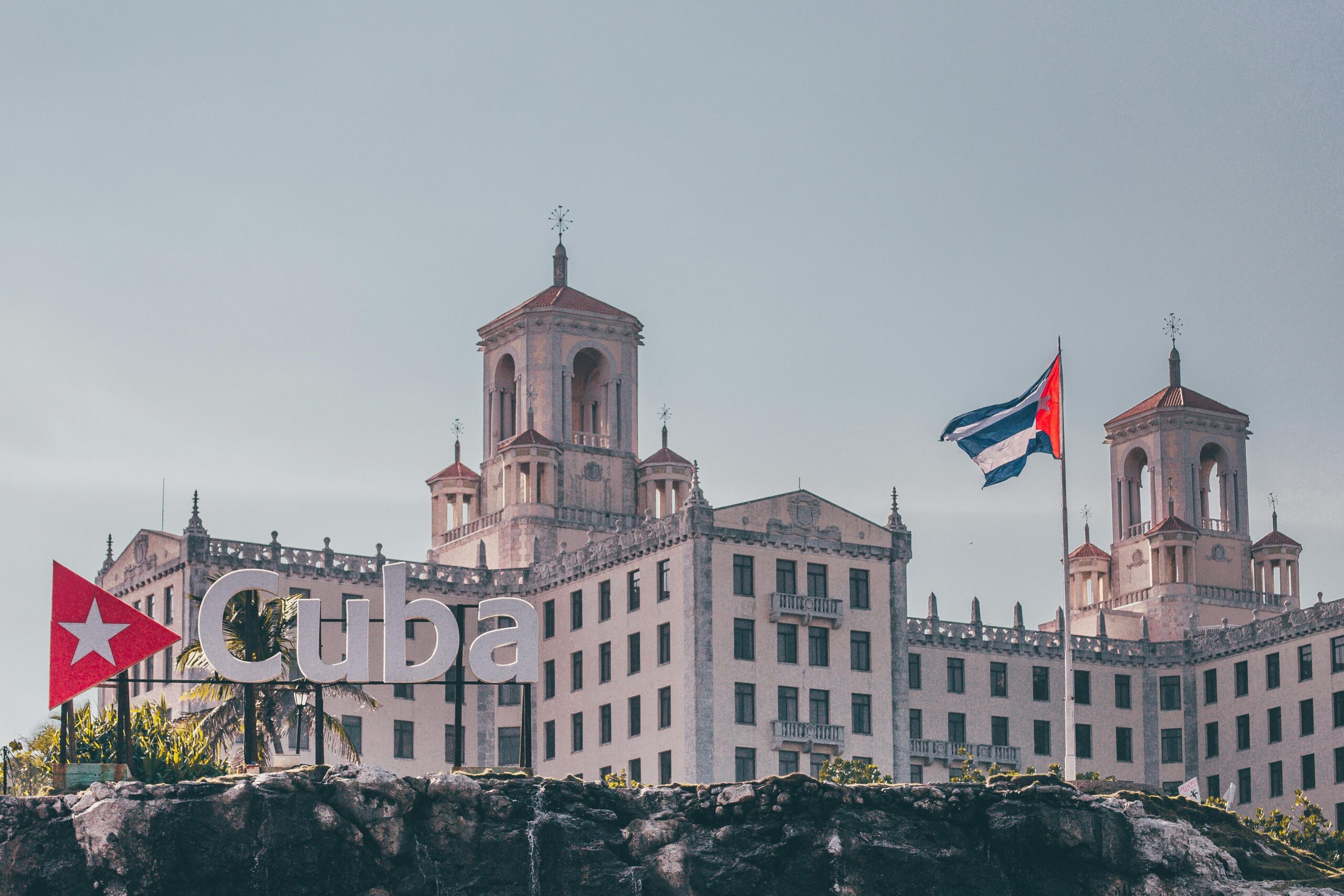
Cuba isn’t just famous for cigars — it defines premium tobacco. From rich soil to centuries-old skills, Cuba has built a global reputation that few countries can match. Cuba is considered the world’s top tobacco country because of its unique climate, mineral-rich soil, and generations of expert growers and rollers who produce cigars that set the global standard.
Below is a practical, no-fluff guide to why Cuban tobacco is so special,
Why Cuba Is the World’s Most Famous Tobacco Country
Cuba has the perfect natural recipe for tobacco:
- Warm tropical climate
- Balanced rainfall
- Red, mineral-heavy soil
- Long growing seasons
But nature alone isn’t enough. Cuban tobacco farming is deeply cultural.
This mix of land + human skill is what gives Cuban tobacco its unmatched aroma, strength, and complexity.
Key Tobacco Regions in Cuba (Where the Magic Happens)
🌱 Vuelta Abajo
The crown jewel of Cuban tobacco.
- Produces the world’s finest cigar tobacco
- Used for wrapper, binder, and filler leaves
- Home to Cuba’s most respected farms
If you hear someone say “the best tobacco on earth,” they’re usually talking about Vuelta Abajo.
🌱 Pinar del Río
Cuba’s main tobacco province.
- Ideal humidity and soil
- Thousands of small family farms
- Backbone of the Cuban cigar industry
Most premium Cuban cigars start here.
🌱 Partido
Known for wrapper leaves.
- Thinner, smoother tobacco
- Used for elegant, mild cigars
- Close to Havana
How Cuban Tobacco Is Grown
Cuban tobacco is not mass-produced.
- Seedbeds – Seeds are started under cloth for protection
- Air curing – Leaves dry slowly in wooden barns
- Fermentation – Natural heat removes harshness
- Aging – Some leaves age for years
Every step affects flavor. Rushing ruins quality — that’s why Cuban tobacco takes time.
What Makes Cuban Tobacco Taste Different?
Cuban tobacco is known for:
- Earthy richness
- Natural sweetness
- Pepper and spice notes
- Long, smooth finish
Unlike many modern tobaccos, Cuban leaves rely less on processing and more on natural fermentation and aging.
That’s why the flavor feels deep, not artificial.
Famous Cuban Cigar Brands Using Local Tobacco
All authentic Cuban cigars are controlled by Habanos S.A., ensuring consistent standards.
Well-known brands include:
- Cohiba – Rich, complex, and elite
- Montecristo – Balanced and approachable
- Romeo y Julieta – Smooth and aromatic
- Partagás – Bold and powerful
Each brand uses tobacco from specific regions to create a signature profile.
Pros & Cons of Cuban Tobacco
| Pros | Cons |
|---|---|
| World-class flavor and aroma | Limited availability |
| Natural growing methods | Higher price |
| Rich history and prestige | Export restrictions |
| Consistent hand craftsmanship | Hard to verify authenticity |
Real-World Examples:
- A seasoned smoker may choose a Cuban cigar for special occasions because the flavor evolves during the smoke.
- Collectors age Cuban cigars for years, knowing the tobacco improves over time.
- Many non-Cuban brands try to imitate Cuban flavor — a clear sign of its influence.
Even competitors measure success by how “Cuban-like” their tobacco tastes.
FAQs (People Also Ask)
Is Cuban tobacco better than all others?
Not always better, but different. Cuban tobacco offers depth and balance that many regions struggle to match.
Can Cuban tobacco be grown elsewhere?
The seeds can travel. The soil and climate cannot. That’s the difference.
Why is Cuban tobacco expensive?
Small-scale farming, manual labor, long aging, and limited exports all raise costs.
Is all Cuban tobacco used for cigars?
Mostly yes. Cuba focuses on premium cigar tobacco rather than cigarettes.
Final Verdict: Why Cuba Still Rules the Tobacco World
Cuba remains the gold standard of tobacco because it refuses to cut corners. The process is slow.
If tobacco had a birthplace of excellence, Cuba would be it — not because of hype, but because generations proved it leaf by leaf.
[…] Spring (March to May) offers a rare balance: […]