

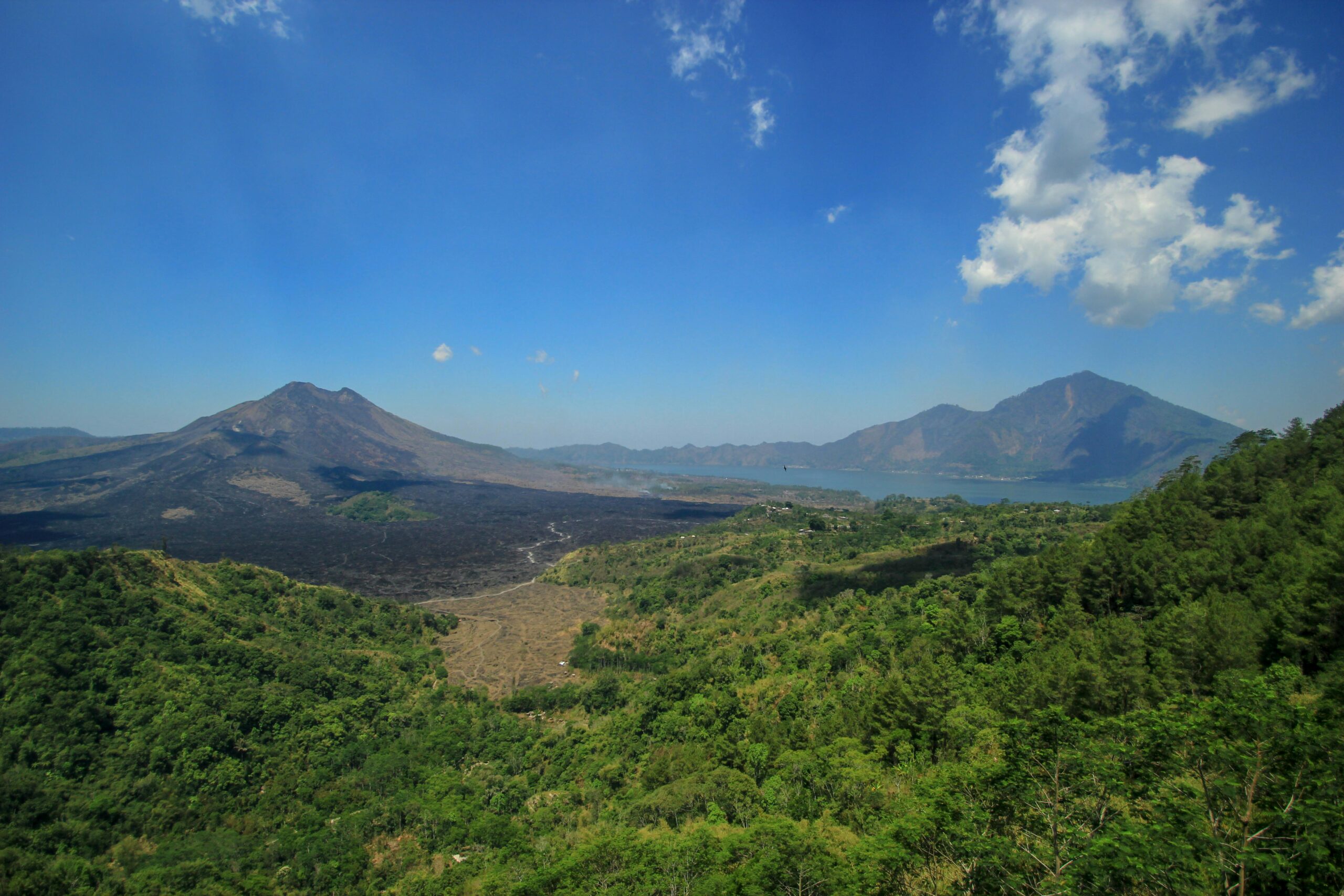
Kintamani is one of those rare places in Bali where nature still feels raw, open, and deeply alive. Perched high in the mountains, this cool-climate region is famous for volcanic landscapes, misty mornings, and wide views that stretch across lava fields and a massive crater lake. If you want to slow down, breathe fresh air, and see a different side of Bali beyond beaches and beach clubs, Kintamani deserves a full day—or even an overnight stay.
This guide covers exactly what to do in Kintamani, from iconic experiences to lesser-known stops. It’s written to help you plan better, avoid tourist traps, and actually enjoy your time in Bali’s volcano village.
Where Is Kintamani and Why Is It Special?
Kintamani is a highland area in northeast Bali, about 1.5 to 2 hours from Ubud. It sits along the rim of a huge volcanic crater formed thousands of years ago.
What makes Kintamani special is the dramatic pairing of Mount Batur and Lake Batur. From almost anywhere in the area, you’ll see dark lava fields, green hills, and the lake glowing below.
Unlike southern Bali, Kintamani is cooler, quieter, and far less commercial. It’s a place for nature lovers, hikers, photographers, and travelers who want calm over crowds.
Sunrise Trekking on Mount Batur
If there’s one activity Kintamani is known for worldwide, it’s the Mount Batur sunrise hike.
What Makes the Hike Worth It?
- You start hiking before dawn
- Reach the summit just as the sun rises
- Watch clouds roll over the lake below
- Feel the warmth of steam rising from the volcanic ground
The hike is moderate, not technical, and suitable for most people with basic fitness. Total hiking time is around 2–3 hours up and 1.5–2 hours down.
Practical Tips
- Start time: Around 2:00–3:00 AM
- Wear layers (it’s cold at the top)
- Bring gloves and a hat
- Book a licensed local guide (mandatory in many cases)
If you’re short on time in Bali, this single experience alone can justify visiting Kintamani.
Relax in Natural Hot Springs
After an early morning hike, soaking in hot springs feels incredible. The volcanic heat warms mineral-rich water that flows naturally into pools near the lake.
Best Hot Spring Experiences
- Infinity-style pools with lake views
- Quiet soaking pools surrounded by greenery
- Warm water perfect for sore muscles
Most hot springs open from early morning until evening. Visiting after sunrise trekking is ideal, but late afternoon is quieter and more peaceful.
Enjoy the View at Lake Batur
Lake Batur is Bali’s largest lake and the heart of the Kintamani landscape. The calm water contrasts beautifully with the dark volcanic rock around it.
Things to Do at the Lake
- Take a short lakeside walk
- Enjoy coffee with a view
- Photograph reflections of Mount Batur
- Visit small fishing villages nearby
The lake area feels slower and more authentic than other parts of Bali. It’s a good place to sit, observe, and disconnect.
Visit Traditional Villages Around Kintamani
Kintamani is not just about nature. It’s also home to traditional Balinese communities that still follow old customs.
Penelokan Village
This is the main viewpoint area overlooking the crater. While some restaurants here feel touristy, the views are excellent if you choose a quiet spot.
Trunyan Village (For the Curious Traveler)
Across the lake lies Trunyan, known for its unique burial tradition. The village can be reached by boat and visited respectfully with a local guide.
This is not a casual attraction. It’s culturally significant, so visitors should dress modestly and behave respectfully.
Explore Black Lava Fields
One of Kintamani’s most striking features is its vast black lava fields. These were formed by past eruptions and still look otherworldly today.
How to Explore
- Guided jeep tours (popular and safe)
- Short walking trails with guides
- Photography stops at dramatic points
The contrast between black lava, green plants, and blue sky makes this area perfect for photos, especially in the early morning or late afternoon.
Coffee Plantations and Local Cafés
The cooler climate around Kintamani is ideal for growing coffee. Many small plantations offer tastings and tours.
What You’ll Experience
- Learn how Balinese coffee is grown and roasted
- Taste local Arabica coffee
- Enjoy simple snacks with mountain views
Even if you’re not a coffee lover, sitting in a quiet café overlooking the crater is a relaxing break from sightseeing.
Temple Visits with Scenic Backdrops
While Kintamani is less temple-heavy than southern Bali, the temples here feel more dramatic due to their setting.
Ulun Danu Batur Temple
This is one of Bali’s most important water temples, dedicated to the goddess of lakes and rivers. The temple complex is large, peaceful, and deeply spiritual.
Visit in the morning to avoid crowds and enjoy the cool air.
Try Local Balinese Food in Kintamani
Food in Kintamani is simple, hearty, and influenced by the cooler weather.
Local Dishes to Try
- Hot vegetable soups
- Grilled freshwater fish from Lake Batur
- Rice with spicy sambal
- Sweet potatoes and corn grown locally
Many small family-run warungs serve honest food at fair prices. Ask locals where they eat—it’s often better than roadside restaurants aimed at tour buses.
Best Time to Visit Kintamani
Timing matters a lot in Kintamani.
Best Season
- April to October (dry season)
- Clear skies and better views
Best Time of Day
- Early morning: Clear views and fewer clouds
- Late afternoon: Soft light and cooler air
Avoid arriving late morning if possible. Clouds often roll in by midday and block the views.
How to Get to Kintamani
Most travelers reach Kintamani from Ubud or central Bali.
Transport Options
- Private car with driver (most comfortable)
- Scooter (only if you’re confident)
- Guided day tours
Roads are generally good, but mountain driving requires focus, especially in fog or rain.
Should You Stay Overnight in Kintamani?
Many visitors come on a day trip, but staying overnight can be a better experience.
Benefits of Staying Overnight
- Peaceful evenings
- Stunning sunrise views
- No rushing back to Ubud
- Cooler nights for better sleep
Choose accommodations with crater or lake views. Even simple lodges feel special when surrounded by nature.
Sample One-Day Itinerary for Kintamani
Early Morning
- Sunrise hike on Mount Batur
Mid-Morning
- Breakfast and hot springs
Late Morning
- Lake Batur visit and short walk
Afternoon
- Lava field jeep tour
- Coffee plantation stop
Evening
- Dinner with crater views
- Overnight stay or return to Ubud
Common Mistakes to Avoid in Kintamani
- Arriving too late in the day
- Skipping a guide for hiking
- Only stopping for lunch and leaving
- Visiting during heavy rain season without backup plans
Kintamani rewards slow travel. Rushing through it means missing its real beauty.
Is Kintamani Worth Visiting?
Yes—especially if you want to see a different Bali.
Kintamani offers:
- Cooler weather
- Raw volcanic landscapes
- Fewer crowds
- Deeper connection with nature
It’s not about shopping or nightlife. It’s about views, silence, fresh air, and perspective.
Final Thoughts:
Kintamani shows Bali’s powerful natural side. Standing on the edge of a volcanic crater, watching mist rise from a massive lake, you understand why this island is so deeply spiritual.
If your Bali trip feels too busy or crowded, Kintamani is the reset button. Spend time here, wake up early, move slowly, and let the landscape do the work.
That’s the real magic of Bali’s volcano village.