

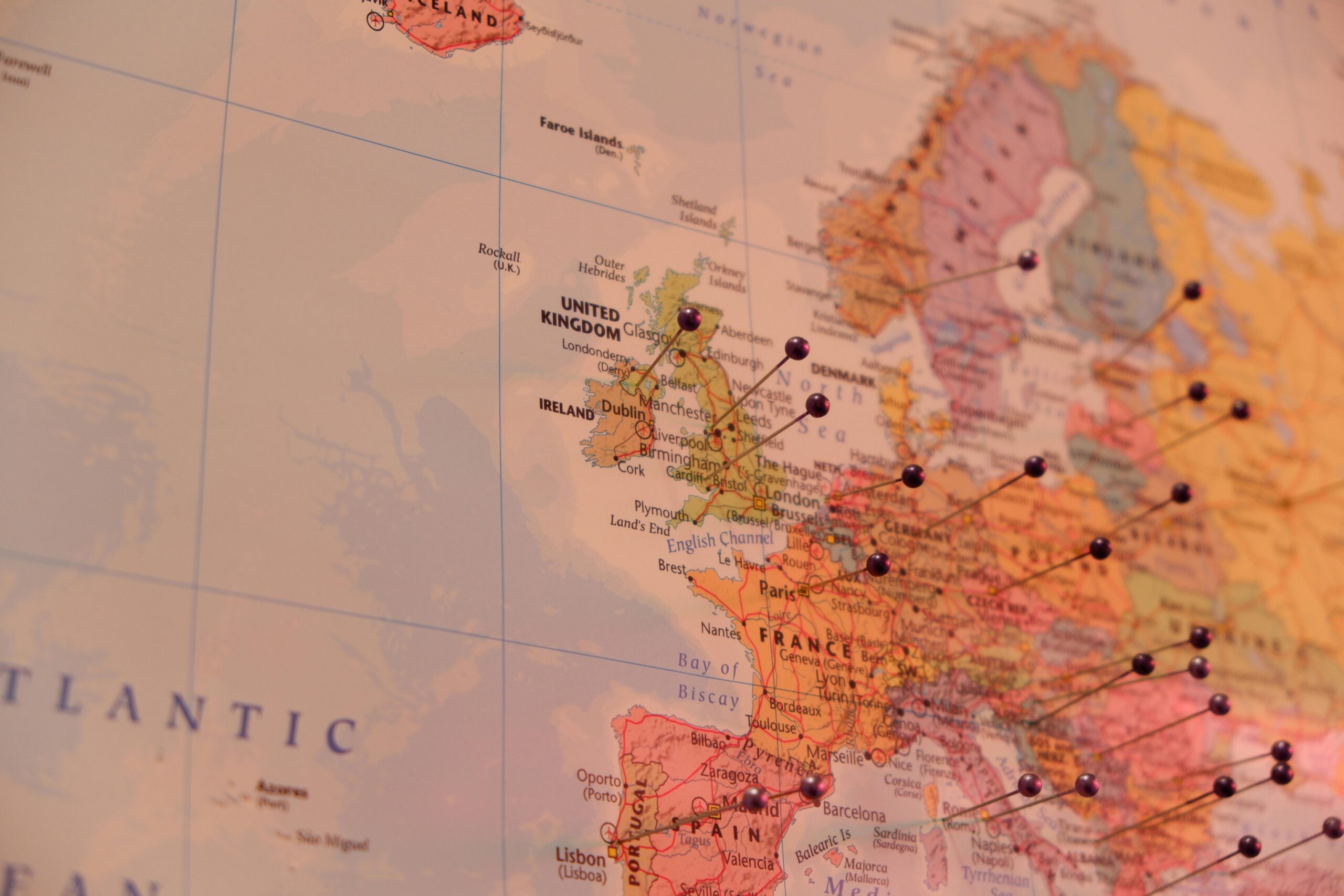
The most beautiful cities in Europe combine history, walkable streets, iconic architecture, local food, and unforgettable views. Cities like Paris, Rome, Prague, and Amsterdam consistently top the list because they offer beauty and real travel experiences—not just pretty photos.
Below is a clear, practical guide to help you choose the best cities for your European trip, based on what travelers actually enjoy on the ground.
Why Europe Has So Many Beautiful Cities
Europe’s beauty comes from layers of history. Roman roads, medieval squares, Renaissance art, and modern cafés often exist on the same street. You’re not just sightseeing—you’re walking through centuries of life.
Most European cities are also:
- Easy to explore on foot
- Rich in culture and food
- Well connected by trains
- Safe for solo and family travelers
Most Beautiful Cities in Europe You Should Visit
Paris – Timeless Romance and Iconic Views
Paris feels beautiful without trying. From the Eiffel Tower to quiet cafés along the Seine, the city balances grandeur and everyday life.
Why travelers love it
- World-famous landmarks
- Art museums like the Louvre
- Walkable neighborhoods
Best for: First-time Europe visitors, couples, culture lovers
Rome – Beauty Built on History
Rome is messy, loud, and stunning. Ancient ruins sit next to espresso bars. You don’t just see history—you live inside it.
Why travelers love it
- Colosseum and Roman Forum
- Vatican City and art masterpieces
- Incredible food on every corner
Best for: History fans, food lovers
Prague – Fairytale Streets Without the High Cost
Prague looks like a movie set. Cobblestone streets, Gothic towers, and river views make it one of Europe’s most photogenic cities.
Why travelers love it
- Old Town Square and Charles Bridge
- Lower costs than Western Europe
- Compact and easy to explore
Best for: Budget travelers, photographers
Amsterdam – Canals, Culture, and Calm
Amsterdam’s beauty is subtle. The canals, bikes, and historic houses create a relaxed, lived-in charm.
Why travelers love it
- Canal cruises
- Museums like the Van Gogh Museum
- Friendly, English-speaking locals
Best for: Slow travel, solo trips
Barcelona – Architecture Meets the Sea
Barcelona mixes beach life with bold architecture. Gaudí’s designs give the city a look you won’t find anywhere else.
Why travelers love it
- Sagrada Família
- Mediterranean beaches
- Late-night food culture
Best for: Art lovers, nightlife fans
Pros & Cons of Visiting Europe’s Most Beautiful Cities
| Pros | Cons |
|---|---|
| Stunning architecture and scenery | Crowds in peak season |
| Rich culture and history | Higher costs in major cities |
| Easy transport between cities | Tourist traps in popular areas |
| Great food everywhere | Limited space in old hotels |
Real-World Travel Examples
- Short trip (5–7 days): Paris + Amsterdam by train
- Mid-length trip (10–14 days): Rome → Florence → Venice
- Budget-friendly trip: Prague + Budapest
- Beach + city combo: Barcelona + nearby coastal towns
Travelers who plan fewer cities enjoy Europe more. Rushing kills the experience.
FAQs – People Also Ask
What is the most beautiful city in Europe?
There’s no single answer, but Paris and Prague are most often ranked at the top for overall beauty.
Which European city is best for first-time travelers?
Paris and Amsterdam are easy to navigate and tourist-friendly.
What is the cheapest beautiful city in Europe?
Prague and Budapest offer stunning views at lower costs.
When is the best time to visit Europe?
April–June and September–October offer great weather with fewer crowds.
Can I see multiple cities in one trip?
Yes. Europe’s train network makes city-hopping simple and efficient.
Final Verdict: Which City Should You Choose?
The most beautiful city in Europe depends on your travel style.
- Want romance and art? Choose Paris.
- Love history and food? Go to Rome.
- Traveling on a budget? Prague is hard to beat.
- Prefer calm and culture? Amsterdam works perfectly.
Tip: Pick fewer cities, stay longer, and explore beyond landmarks. That’s where Europe’s real beauty lives.
[…] Visiting a shrine isn’t about religion alone—it’s about understanding Japan itself. […]
[…] they share is a clear identity that makes them memorable beyond a short visit. Whether it’s your first time in Europe or part of a longer trip. These are the kinds of Beautiful cities in Europe that tend to stay with […]