

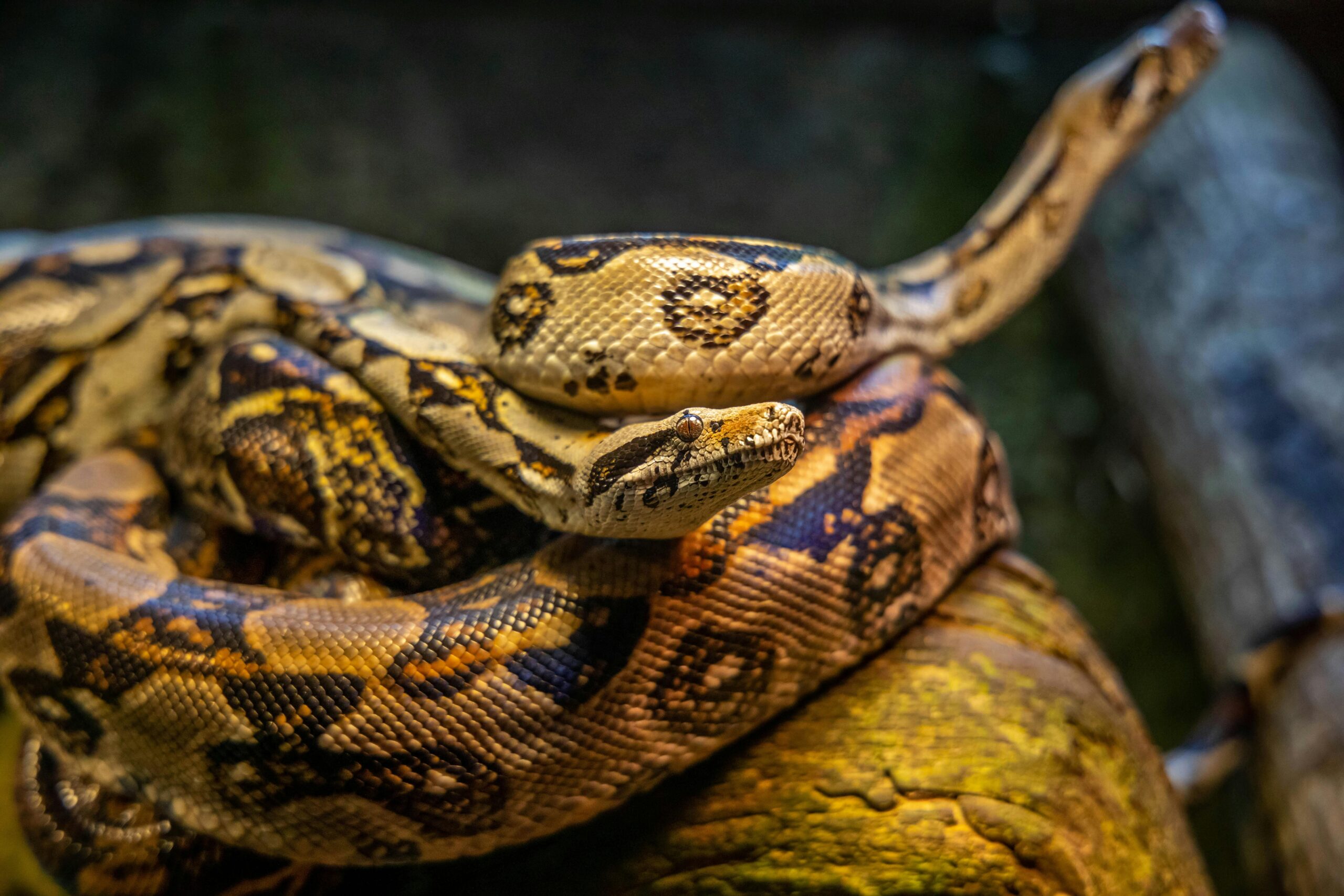
Bali looks calm and beautiful, but like any tropical place, it has wildlife you should respect. Snakes are part of that reality. Most people never see one—but knowing what could be out there helps you stay safe and relaxed. Yes, Bali is home to several venomous snakes, but snake bites are rare, and deaths are even rarer. Problems usually happen only when people step on, disturb, or try to handle a snake. With basic awareness, Bali is very safe for travelers and locals.
1. King Cobra
Why it’s dangerous:
The King Cobra is the world’s longest venomous snake. Its venom can shut down breathing if untreated.
Where found:
Forests, plantations, and quiet rural areas. Very rare near tourist zones.
What to know:
- Avoids humans
- Will only attack if threatened
- Easily recognizable by its size and hood
2. Banded Krait
Why it’s dangerous:
Its venom affects the nervous system and can stop breathing.
Where found:
Near water, rice fields, and sometimes village edges.
What to know:
- Mostly active at night
- Very calm but deadly
- Often mistaken for non-venomous snakes due to its stripes
3. Blue Krait (Javan Krait)
Why it’s dangerous:
One of the most venomous snakes in Indonesia.
Where found:
Gardens, drains, and near houses at night.
What to know:
- Night hunter
- Bites often happen when people sleep on the floor
- Extremely shy, not aggressive
4. Malayan Pit Viper
Why it’s dangerous:
Venom causes severe pain, swelling, and tissue damage.
Where found:
Forests, farms, hiking paths, and tall grass.
What to know:
- Well camouflaged
- Strikes fast if stepped on
- Common cause of snake bites in Southeast Asia
5. White-Lipped Pit Viper
Why it’s dangerous:
Venom causes bleeding and swelling.
Where found:
Trees, bushes, and jungle edges.
What to know:
- Often green, blends into leaves
- Active at night
- May rest on branches at eye level
6. Sea Snake
Why it’s dangerous:
Extremely strong venom, but rarely bites humans.
Where found:
Coastal waters and coral reefs.
What to know:
- Not aggressive
- Bites usually happen when fishermen handle them
- Swimmers are very rarely bitten
Pros & Cons of Snake Presence in Bali
| Pros | Cons |
|---|---|
| Part of natural ecosystem | Can be dangerous if disturbed |
| Control rodent populations | Fear for hikers and villagers |
| Rare encounters | Medical help needed fast if bitten |
Real-world examples
- Tourists: Most visitors never see a snake in weeks of travel. Resorts keep areas clean and snake-free.
- Hikers: Occasional sightings on jungle trails, especially early morning or evening.
- Locals: Farmers and villagers are more exposed due to daily outdoor work.
In almost all bite cases, people accidentally stepped on a snake or tried to kill it.
FAQs (People Also Ask)
Are snake bites common in Bali?
No. Snakes In Bali bites are uncommon, especially for tourists.
What should I do if I see a snake?
Stay calm, keep your distance, and slowly move away. Do not try to touch or kill it.
Is Bali safe for hiking?
Yes, if you wear proper shoes, stay on paths, and avoid walking at night.
What happens if someone gets bitten?
Go to the nearest hospital immediately. Bali hospitals are experienced with snake bites.
Are snakes found in hotels?
Very rarely. Hotels maintain clean grounds and use pest control to prevent snakes.
Final verdict
Bali does have venomous snakes—but they are not a reason to worry. They avoid humans, and bites are rare. Stay alert in nature, wear proper footwear, and respect wildlife. With simple precautions, you can enjoy Bali safely and stress-free.