

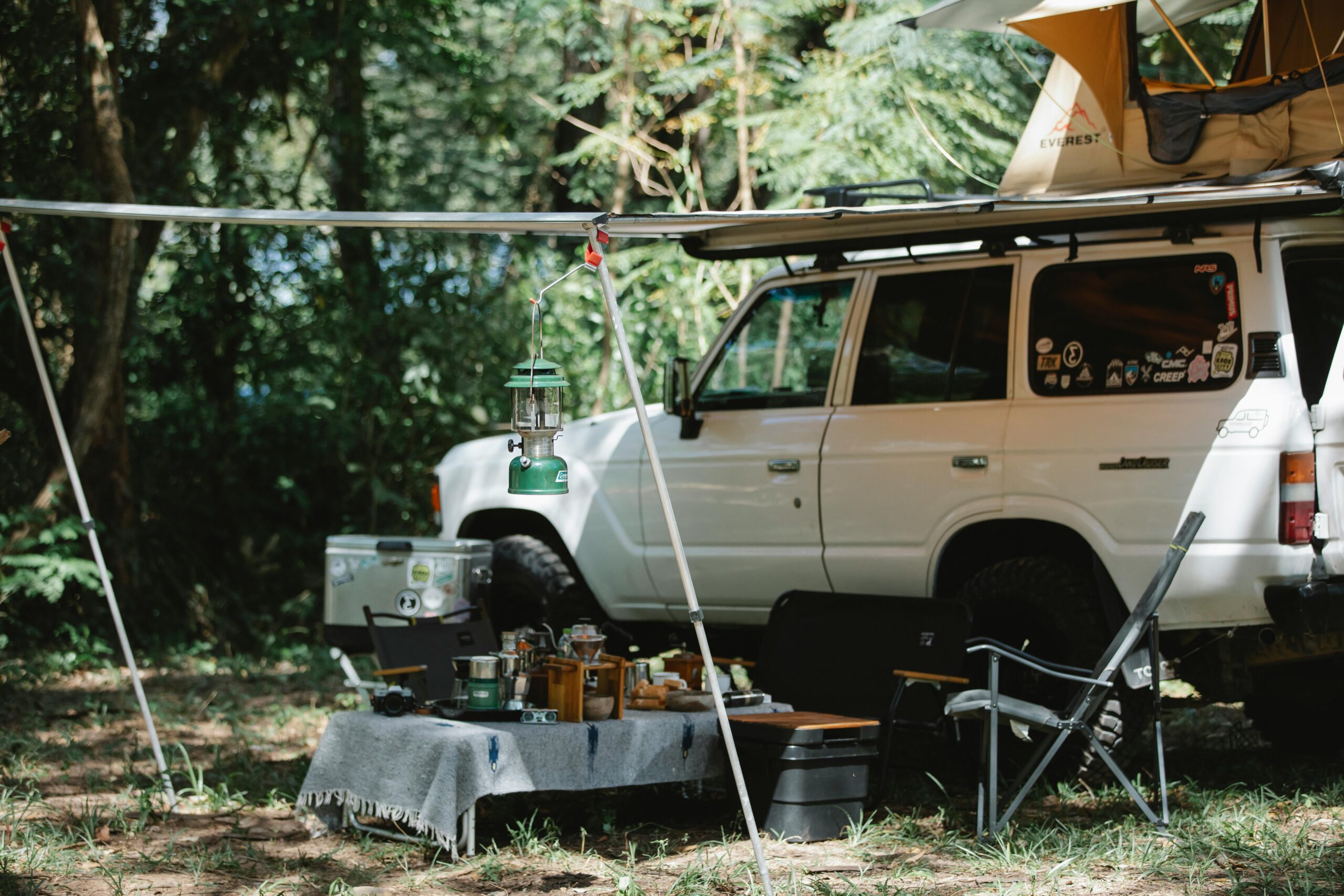
Tarnplanen is a bushcraft technique focused on concealed, low-impact camp setups using natural cover, camouflage skills, and smart site selection. The goal is to stay unseen, leave no trace, and blend into the environment without disturbing wildlife or other people. It’s ideal for stealth camping, survival practice, and ethical bushcraft.
If you want to camp quietly, responsibly, and invisibly in the wild, Tarnplanen is one of the most effective approaches you can learn.
Introduction: Why Hidden Camps Matter More Than Ever
Modern bushcraft isn’t about building big shelters or lighting roaring fires anymore. Today, land access is tighter, wildlife is under pressure, and human traffic is everywhere.
That’s where Tarnplanen comes in.
It’s not about hiding from people—it’s about coexisting with nature. A well-executed hidden camp protects wildlife, avoids conflict, and sharpens your field skills. The best Tarnplanen camps are so subtle that even trained eyes walk past them.
What Is Tarnplanen in Bushcraft?
Tarnplanen (a term often associated with Scandinavian bushcraft thinking) means planned concealment. Every decision—location, shelter, gear, movement—supports one outcome: remaining visually and environmentally invisible.
This approach combines:
- Natural camouflage
- Minimalist shelter design
- Terrain reading
- Noise and light discipline
- Ethical, low-impact camping
Tarnplanen is not survival panic camping. It’s intentional, skilled, and calm.
Why Bushcrafters Use Tarnplanen Camps
Hidden camps serve practical, ethical, and skill-based purposes.
Key Reasons Bushcrafters Choose Tarnplanen
- Avoids unwanted attention from people
- Protects wildlife corridors
- Reduces land-use conflicts
- Improves observation skills
- Supports Leave No Trace ethics
- Enhances survival realism
In many regions, staying discreet isn’t optional—it’s responsible.
Core Principles of Tarnplanen Camping
1. Terrain First, Shelter Second
The land hides you—not your gear.
Look for:
- Natural dips and folds in terrain
- Tree clusters, deadfall zones, or brush lines
- Hillside benches rather than flat open ground
- Shadows created by slope and canopy
Avoid:
- Ridges
- Riverbanks with open views
- Game trails
- Obvious clearings
If the land already hides you, your shelter barely needs to exist.
2. Natural Visual Breakup
Human shapes stand out in nature. Straight lines and smooth surfaces are giveaways.
Use:
- Irregular shelter edges
- Leaf litter and forest debris
- Broken silhouettes
- Natural color blending
Avoid:
- Bright tarps
- Flat, square shelters
- Exposed reflective surfaces
Your goal is visual confusion, not perfect camouflage.
3. Low-Profile Shelter Design
Big shelters defeat Tarnplanen.
Best options:
- Lean-to with natural backing
- Ground tarp bivy
- Debris-enhanced tarp
- Natural hollow shelters (with care)
Keep shelter height low. If you can sit up inside, it’s usually too tall.
Best Tarnplanen Shelter Types (Ranked)
1. Ground Tarp + Natural Cover
Best overall concealment
- Dark earth-toned tarp
- Pitched inches above ground
- Covered lightly with leaves or brush
- Blends into forest floor
Ideal for forests and mixed woodland.
2. Fallen Tree Lean-To
Excellent visual masking
- Uses deadfall as a back wall
- Shelter line follows natural angles
- Easy to break up outline
Avoid cutting live wood.
3. Vegetation-Integrated A-Frame
Balanced protection and concealment
- Low ridge line
- Ends left open for airflow
- Covered lightly with vegetation
Works well in wet climates.
4. Natural Depressions and Hollows
Advanced and situational
- Root balls
- Hillside scoops
- Erosion pockets
Always check for water flow, animals, and overhead hazards.
Camp Placement: Where Most People Fail
Even experienced bushcrafters choose bad locations.
Avoid These Tarnplanen Mistakes
- Camping near trails “just for convenience”
- Using scenic spots
- Sleeping beside water sources
- Setting camp before full site observation
Smart Tarnplanen Placement
- 50–100 meters off trails
- Downwind of common paths
- Elevated enough to avoid moisture
- Hidden from at least two directions
Spend 20–30 minutes observing before committing to a site.
Fire in Tarnplanen Camps: Do You Even Need One?
Fire is the hardest thing to hide.
Tarnplanen Fire Rules
- No fire unless necessary
- Never at night
- Never with visible smoke
- Never in open ground
Hidden Fire Options
- Dakota fire hole (where legal and safe)
- Small twig fires under canopy
- Alcohol stove inside sheltered area
If warmth or cooking can be done without fire, skip it.
Gear Choices That Support Hidden Camping
Clothing
- Earth tones: brown, green, gray
- Matte fabrics
- Quiet materials (no loud synthetics)
Avoid:
- Black (unnatural in forests)
- Bright greens
- Shiny rain gear
Shelter Gear
- Olive, brown, or gray tarps
- Thin cordage in dull colors
- Natural fiber rope where possible
Lighting
- Red light headlamp
- Covered flame
- No white light after dark
Dark discipline is critical.
Sound, Smell, and Movement Control
Sound Discipline
- Set camp before dark
- Avoid snapping branches
- Keep gear organized
- Move slowly
Nature is loud—but human noise is sharp.
Smell Control
- Cook away from sleeping area
- Avoid scented soaps
- Pack out food waste
- Store food downwind
Animals notice smell long before sight.
Movement Awareness
- Enter and exit camp via different paths
- Avoid creating trails
- Step on rocks, not soil
- Restore disturbed ground before leaving
Real-World Tarnplanen Example
A solo bushcrafter sets camp in mixed woodland near a lightly used hiking area.
Instead of camping near the stream:
- He moves uphill 80 meters
- Finds a shallow depression behind fallen spruce
- Pitches a low tarp 30 cm off ground
- Covers edges with forest debris
- Skips fire and cold-soaks food
Two hikers pass within 20 meters the next morning—without noticing anything.
After breaking camp, the site looks untouched.
That’s Tarnplanen done right.
Pros and Cons of Tarnplanen Camps
| Pros | Cons |
|---|---|
| Extremely discreet | Less comfort |
| Low environmental impact | Limited fire use |
| Enhances bushcraft skills | Requires planning |
| Avoids conflict | Not ideal for groups |
| Ethical and respectful | Weather exposure risk |
Tarnplanen vs Traditional Bushcraft Camps
Traditional Camps
- Visible shelters
- Central fire
- Cleared ground
- Long-term presence
Tarnplanen Camps
- Invisible shelters
- Minimal or no fire
- No ground clearing
- Short-term stays
Neither is “wrong,” but Tarnplanen fits modern realities better.
Common Tarnplanen Mistakes to Avoid
- Overbuilding shelters
- Cutting live vegetation
- Using military-style camo poorly
- Rushing site selection
- Ignoring wind and scent direction
True concealment is subtle—not aggressive.
Legal and Ethical Considerations
Always:
- Check local laws
- Respect private land
- Follow Leave No Trace
- Avoid protected habitats
Tarnplanen is about respect, not evasion.
FAQs (People Also Ask)
What does Tarnplanen mean in bushcraft?
It refers to planned concealment—setting up camps that blend naturally into the environment.
Is Tarnplanen the same as stealth camping?
Yes, but with stronger ethical and environmental focus.
Can beginners use Tarnplanen techniques?
Yes. Start with site selection and low-profile tarps.
Is Tarnplanen legal?
It depends on local laws. Concealment does not override land access rules.
Do you need camouflage gear?
No. Natural colors and smart placement matter more.
Final Verdict:
Absolutely.
Tarnplanen pushes bushcraft back to its roots—awareness, restraint, and respect for nature. It sharpens your skills, lowers your impact, and prepares you for realistic outdoor scenarios.
If your camp is comfortable but obvious, you’re missing half the lesson.
If your camp disappears the moment you leave—it worked.
[…] Night tours were once seen as an add-on. Today, they are a strategic pillar of Alhambra’s tourism model. […]