

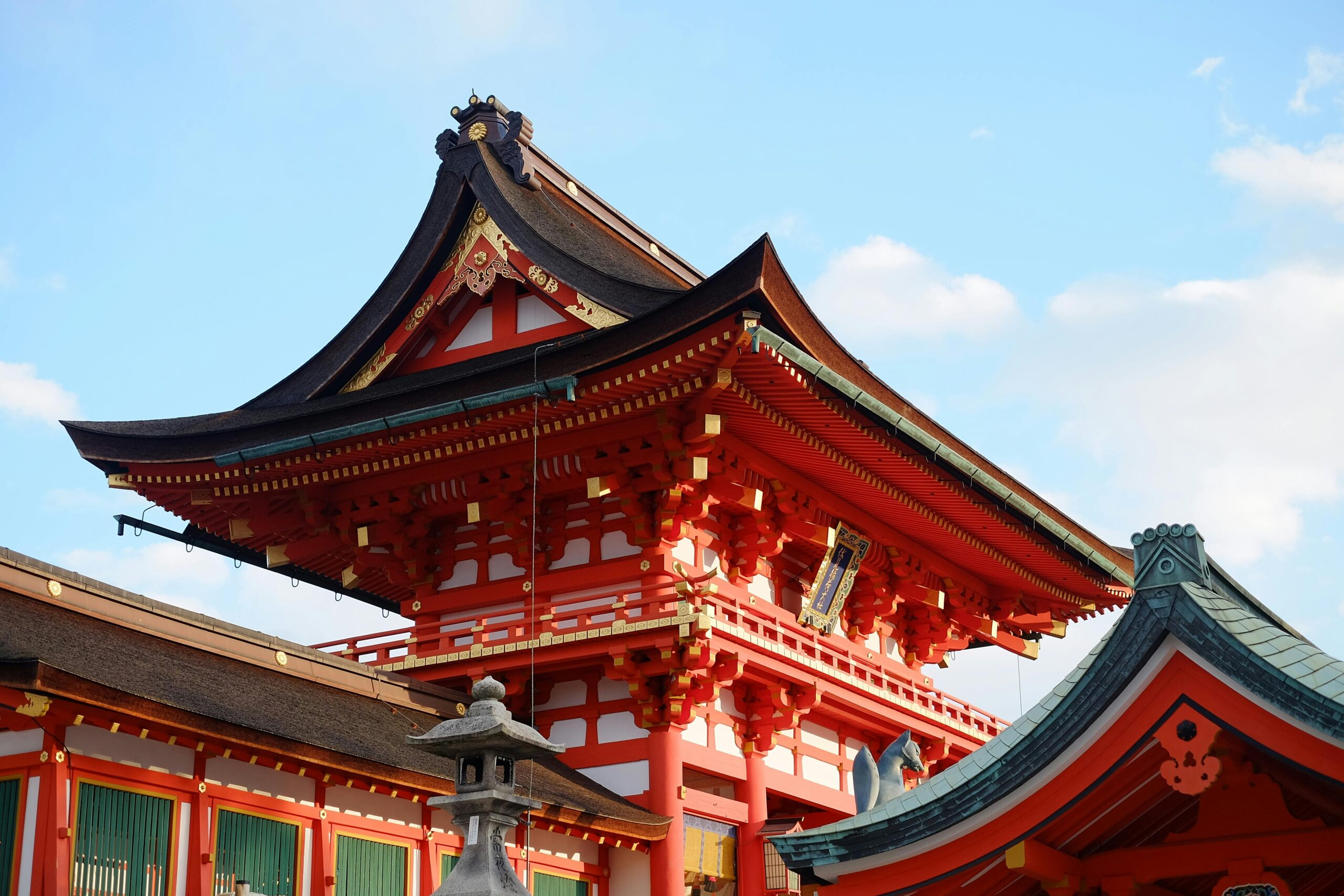
Japan’s shrines and temple are not just tourist spots. They are living places of worship, history, and daily rituals. Visiting them helps you understand how Japan thinks, believes, and remembers its past.
If you are planning a trip to Japan or researching its culture, this guide gives you a clear, expert-backed, human-written list of the best traditional shrines and temples in Japan, along with practical tips and cultural context.
Which Shrines & Temples Are Best in Japan?
The best traditional shrines and temples in Japan include Fushimi Inari Taisha, Senso-ji, Kinkaku-ji, Meiji Jingu, Itsukushima Shrine, and Todai-ji. These places represent Shinto and Buddhist traditions, different regions, and over 1,000 years of Japanese history.
Shrines vs Temples: Know the Difference First
Before exploring, it’s important to understand what you’re seeing.
Shinto Shrines (Jinja)
- Dedicated to kami (spirits or gods)
- Marked by torii gates
- No statues of Buddha
- Focus on nature, purity, and seasonal festivals
Buddhist Temples (Tera)
- Introduced from China and Korea
- Have pagodas, incense, and Buddha statues
- Focus on meditation, teachings, and afterlife
Japan has over 80,000 shrines and 75,000 temples, so choosing the right ones matters.
Best Traditional Shrines in Japan
1. Fushimi Inari Taisha – Kyoto
Famous for its thousands of red torii gates, Fushimi Inari is one of the most iconic places in Japan.
Why it stands out
- Dedicated to Inari, the god of rice and business
- The torii gates form mountain trails
- Open 24/7 and free to enter
Best time to visit
- Early morning or late evening to avoid crowds
Cultural tip
- Fox statues represent Inari’s messengers, not demons.
2. Meiji Jingu – Tokyo
Hidden inside a forest in the heart of Tokyo, Meiji Jingu feels peaceful despite the city around it.
Why it matters
- Dedicated to Emperor Meiji
- Important for traditional weddings
- Surrounded by over 100,000 trees
Don’t miss
- Writing wishes on ema (wooden plaques)
3. Itsukushima Shrine – Hiroshima
Known as the “floating shrine,” Itsukushima appears to float on water during high tide.
Why it’s unique
- Built over the sea
- Famous torii gate in the water
- UNESCO World Heritage Site
Photography tip
- Visit at both high and low tide for different views.
4. Ise Grand Shrine – Mie Prefecture
The most sacred Shinto shrine in Japan.
Key facts
- Dedicated to the sun goddess Amaterasu
- Rebuilt every 20 years for over 1,300 years
- Simple design reflects Shinto purity
Important note
- Some inner areas are restricted to preserve sanctity.
Best Traditional Temples in Japan
5. Senso-ji – Tokyo
Tokyo’s oldest and most visited Buddhist temple.
Why people love it
- Strong cultural atmosphere
- Street food and souvenir stalls
- Large red lantern at Kaminarimon Gate
What to do
- Try incense for good health
- Draw an omikuji (fortune slip)
6. Kinkaku-ji – Kyoto
Also known as the Golden Pavilion, this temple is covered in gold leaf.
Why it’s famous
- Reflects beautifully in the pond
- Symbol of Zen Buddhism
- UNESCO World Heritage Site
Travel tip
- Follow the walking path; entry is one-way.
7. Ginkaku-ji – Kyoto
Unlike Kinkaku-ji, Ginkaku-ji is subtle and calm.
Why it’s special
- Represents wabi-sabi (beauty in simplicity)
- Famous sand garden and moss paths
Best season
- Autumn for maple leaves
8. Todai-ji – Nara
Home to one of the largest bronze Buddha statues in the world.
Highlights
- Daibutsu (Great Buddha)
- Ancient wooden architecture
- Friendly deer around the temple grounds
Fun fact
- Todai-ji helped establish Buddhism as a national religion.
9. Kiyomizu-dera – Kyoto
Famous for its wooden stage built without nails.
Why visit
- Panoramic city views
- Otowa Waterfall for health, love, and success
Best time
- Cherry blossom season or autumn foliage
10. Ryoan-ji – Kyoto
Japan’s most famous Zen rock garden.
What makes it unique
- 15 rocks, but only 14 visible at once
- Encourages meditation and thought
Who should visit
- Travelers interested in Zen philosophy
Regional Picks Worth Visiting
Nikko Area
- Toshogu Shrine – Lavish carvings and “see no evil” monkeys
Kamakura Area
- Hasedera – Ocean views and hydrangeas
- Kotoku-in – Outdoor Great Buddha statue
Best Time to Visit Shrines & Temples in Japan
| Season | Why It’s Good |
|---|---|
| Spring | Cherry blossoms |
| Autumn | Red and gold leaves |
| Winter | Fewer tourists |
| Summer | Festivals, but hot |
Shrine & Temple Etiquette (Very Important)
- Bow once before entering
- Clean hands at water basin
- Don’t walk in the center path
- Be quiet and respectful
- Photography may be restricted
Following etiquette shows respect and improves your experience.
Common Questions (People Also Ask)
Are shrines or temples better to visit?
Both offer different experiences. Shrines focus on nature and life events. Temples focus on meditation and teachings.
Is there an entry fee?
Most shrines are free. Temples may charge ¥300–¥600.
Can foreigners participate in rituals?
Yes, quietly and respectfully.
How many shrines should I visit per day?
2–3 is ideal to avoid fatigue.
Final Verdict: Which Shrines & Temples Should You Choose?
If you want iconic visuals, visit Fushimi Inari, Kinkaku-ji, and Itsukushima Shrine.
For deep culture, choose Ise Grand Shrine, Todai-ji, and Ryoan-ji.
For city travelers, Senso-ji and Meiji Jingu are perfect.
Japan’s shrines and temple are not about rushing. Walk slowly. Observe quietly. Let history speak.