

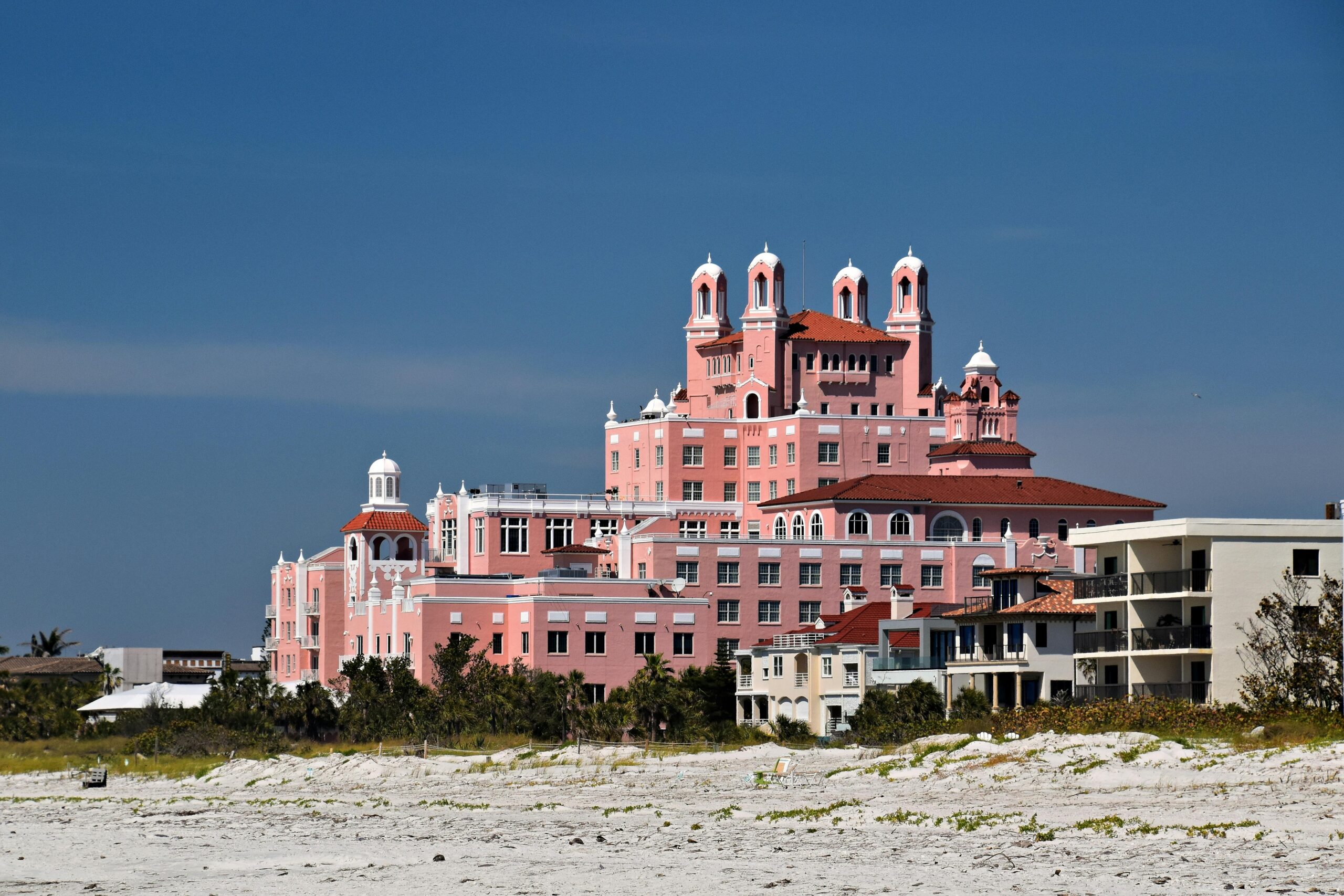
Condotel hotels florida has long been a magnet for real estate investors, vacationers, and retirees. With its year-round sunshine, world-famous beaches, and thriving tourism industry, it offers countless opportunities for property ownership. One concept that continues to gain popularity in this market is the condotel, short for condominium hotel.
If you’ve ever wondered whether owning a unit in a condotel in Florida is a smart investment—or even what it truly means—this guide breaks it all down in clear, practical terms. No jargon, no fluff—just what you need to know to make an informed decision.
What Is a Condotel?
A condotel (condominium hotel) is a hybrid between a condominium and a hotel. You purchase an individual unit, just like a condo, but the property operates like a hotel.
Here’s how it works:
- You own your unit outright
- The building is managed like a hotel
- Your unit can be rented out to guests when you’re not using it
- A management company handles bookings, cleaning, and maintenance
Think of it as owning a vacation home that earns income while you’re away.
How Condotels Work in Florida
Condotel hotels florida is one of the most active condotel markets in the U.S., especially in tourist-heavy areas like:
- Miami
- Orlando
- Tampa
- Fort Lauderdale
- Clearwater Beach
Here’s the typical setup:
Ownership Structure
- You buy a fully furnished unit
- Ownership is deeded, just like real estate
- You can sell it, rent it, or pass it down
Rental Program
- Most condotels require you to join a rental pool
- The hotel brand markets your unit to guests
- Revenue is split between you and management
Usage Rules
- You can use your unit for a limited number of days per year (often 30–180 days)
- The rest of the time, it remains available for guests
Key Features of Florida Condotel Properties
1. Prime Locations
Condotels are typically located in high-demand tourist areas:
- Beachfront properties
- Near theme parks
- Downtown city centers
This ensures consistent rental demand.
2. Fully Furnished Units
Units come ready to use:
- Furniture
- Appliances
- Decor
- Hotel-style finishes
This makes them attractive to guests and saves you setup costs.
3. Hotel Amenities
Owners and guests enjoy:
- Swimming pools
- Fitness centers
- Room service
- Concierge services
- On-site restaurants
4. Professional Management
You don’t need to manage tenants or bookings. Everything is handled for you.
Benefits of Investing in a Florida Condotel
Passive Income Potential
One of the biggest advantages is the ability to generate rental income without active involvement.
- High occupancy rates in tourist zones
- Daily rental pricing (often higher than long-term leases)
Personal Use + Investment
You can:
- Vacation in your own unit
- Earn money when you’re not there
This dual-purpose appeal is a major draw.
Turnkey Investment
No need to:
- Furnish the unit
- Hire property managers
- Handle guest issues
Everything is already in place.
Access to Premium Locations
Condotels allow entry into locations that might otherwise be unaffordable for traditional property buyers.
Risks and Downsides You Should Know
Condotels are not risk-free. Understanding the downsides is critical.
Limited Financing Options
Many banks consider condotels high-risk investments, which means:
- Larger down payments (often 30–50%)
- Higher interest rates
- Fewer lenders available
HOA and Management Fees
Expect higher fees compared to traditional condos:
- Maintenance fees
- Management fees
- Marketing fees
These can significantly impact your net income.
Income Is Not Guaranteed
Rental income depends on:
- Tourism trends
- Seasonal demand
- Market competition
There may be months with lower occupancy.
Usage Restrictions
You cannot live in most condotels full-time. They are not primary residences.
Market Volatility
Tourism-driven properties are sensitive to:
- Economic downturns
- Travel restrictions
- Weather events (like hurricanes)
Condotel vs Traditional Condo: Key Differences
| Feature | Condotel | Traditional Condo |
|---|---|---|
| Ownership | Yes | Yes |
| Rental Style | Short-term (hotel-like) | Long-term or short-term |
| Management | Hotel-managed | Owner-managed or hired |
| Furnishing | Fully furnished | Usually unfurnished |
| Financing | Difficult | Easier |
| Usage | Limited | Flexible |
Legal and Regulatory Considerations in Florida
Zoning Laws
Condotels are typically zoned for short-term rentals, unlike many residential condos.
Rental Agreements
You’ll sign agreements that:
- Outline revenue splits
- Define usage limits
- Specify management terms
Taxes
You may be responsible for:
- Property tax
- Income tax on rental earnings
- Tourist or occupancy taxes
Consult a local tax advisor for clarity.
Best Locations for Condotel Investments in Florida
Miami
- High international tourism
- Luxury condotel developments
- Strong rental demand year-round
Orlando
- Near theme parks
- Family-focused tourism
- High occupancy rates
Tampa & Clearwater
- Growing tourism markets
- Lower entry prices than Miami
- Strong beach appeal
Fort Lauderdale
- Popular for boating and beaches
- Less crowded than Miami
- Steady rental income potential
How Much Do Condotels Cost in Florida?
Prices vary widely depending on location and luxury level:
- Budget range: $150,000 – $300,000
- Mid-range: $300,000 – $700,000
- Luxury units: $700,000 – $2M+
Keep in mind:
- HOA fees can range from $500 to $2,000+ per month
- Management fees can take 30–50% of rental income
Financing a Condotel Purchase
What to Expect
- Higher down payment requirements
- Limited lender options
- Strict income verification
Tips for Buyers
- Work with lenders experienced in condotel financing
- Consider cash purchase if possible
- Review rental projections carefully
Is a Florida Condotel a Good Investment?
The answer depends on your goals.
Good Fit If You:
- Want a hands-off investment
- Like the idea of a vacation property
- Can handle fluctuating income
- Have strong cash reserves
Not Ideal If You:
- Need stable, predictable income
- Want to live full-time in the unit
- Prefer full control over property management
Tips Before Buying a Condotel in Florida
1. Review the Management Agreement
Understand:
- Revenue splits
- Fees
- Restrictions
2. Analyze Rental History
Ask for:
- Occupancy rates
- Average nightly rates
- Annual returns
3. Check the Developer’s Reputation
A well-known brand often means:
- Better marketing
- Higher occupancy
- More reliable service
4. Calculate Net Income (Not Just Gross)
Factor in:
- HOA fees
- Management fees
- Taxes
- Maintenance costs
5. Visit the Property
Photos can be misleading. Always see the property in person if possible.
Common Myths About Condotels
Myth 1: “It’s Guaranteed Income”
Reality: Income depends on market demand and occupancy.
Myth 2: “You Can Live There Full-Time”
Reality: Most condotels have strict usage limits.
Myth 3: “It’s Just Like Airbnb”
Reality: You usually cannot manage rentals yourself. The hotel controls bookings.
Future Outlook of Condotels in Florida
The condotel market in Florida continues to evolve.
Positive Trends
- Increasing tourism numbers
- Growth in luxury developments
- Rising interest from international buyers
Potential Challenges
- Economic fluctuations
- Regulatory changes
- Climate-related risks
Overall, demand remains strong, especially in prime tourist areas.
Final Thoughts
Condotel hotels in Florida offer a unique mix of real estate ownership and hospitality investment. They can provide passive income, personal vacation use, and access to premium locations—but they also come with higher fees, financing challenges, and income uncertainty.
If you approach it with clear expectations and careful analysis, a condotel can be a smart addition to your investment portfolio. But it’s not a one-size-fits-all solution.
Quick Summary
- A condotel is a condo + hotel hybrid
- You own the unit but rent it through hotel management
- Florida is a top market due to tourism
- Benefits include passive income and turnkey setup
- Risks include high fees and variable income